Chinese cooking becomes more reliable when you control heat, moisture, seasoning layers, and texture contrast. A wok can help, but a compatible pan, small batches, and good timing matter more than chasing restaurant-level heat at home.
Browning creates deeper flavor, while careful moisture control keeps vegetables crisp and proteins tender. Starches, aromatic ingredients, fermented seasonings, and steaming methods each solve different cooking problems.
If you are choosing cookware or pantry staples, start with the dishes you cook most often and the limits of your stove. The goal is not one “authentic” setup, but a practical system that suits your kitchen.
At a Glance
- High heat and dry pan contact encourage browning, while overcrowding turns a stir-fry into a steam-heavy dish.
- Starch, velveting, and steaming are texture tools: use them to protect proteins, thicken sauces, create crisp coatings, or retain moisture.
- Layered seasoning comes from ingredients such as soy sauce, fermented bean paste, vinegar, dried mushrooms, and stock.
| Cookware option | Best stove situation | Maintenance | Typical price approach | Best use |
|---|---|---|---|---|
| Carbon-steel wok | Gas, some electric and induction models with a flat base | Needs drying and regular seasoning care | Compare current USD listings by thickness, handle style, and base design | Frequent stir-frying, tossing, and high-heat cooking |
| Cast-iron wok | Depends on the base and cooktop compatibility | Requires seasoning care; heavier to handle | Compare weight and cooktop compatibility before buying | Heat retention for cooks comfortable with a heavier pan |
| Stainless-steel skillet or wok | Often practical across common home cooktops | Simple cleaning, but food may stick without technique | Compare construction and stove compatibility | Everyday sautéing and cooks who prefer lower maintenance |
| Nonstick pan | Useful on many home stoves | Easy cleanup; avoid treating it as a high-heat wok substitute | Compare coating guidance and heat limits from the manufacturer | Gentle cooking, eggs, and occasional stir-fries |
Why Chinese Dishes Taste Different: A Three-Line Scientific Answer
Many Chinese dishes stand out because heat, moisture, seasoning, and texture are managed as one system. High heat builds browned aromas, moisture control protects texture, and layered seasoning creates depth without relying on one ingredient alone. The exact approach varies widely by region, household, and ingredient access.
High heat builds browning and aroma
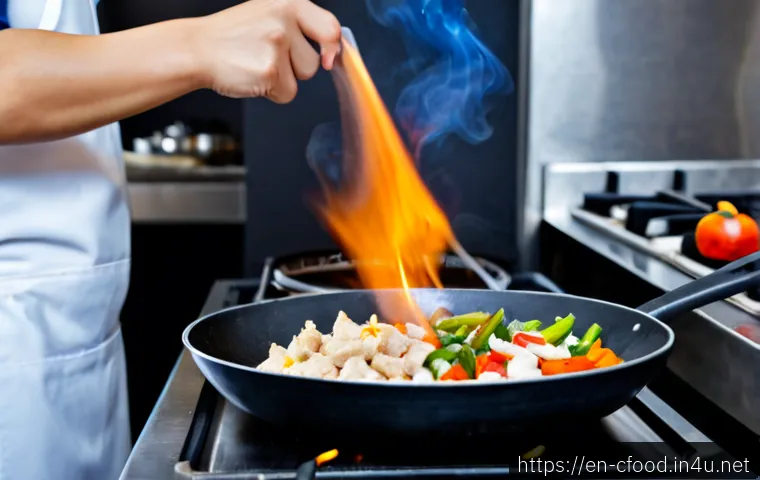
Wok hei describes aromas and flavors associated with very high-heat wok cooking, including browning and smoke-related compounds. The Maillard reaction also contributes browned flavor when proteins and sugars meet sufficiently high heat with relatively low surface moisture. At home, focus on good preheating and quick cooking rather than trying to force restaurant-level heat from equipment that is not designed for it.
Moisture control protects texture
Water is not the enemy, but excess water changes the cooking method. A wet pan surface limits browning and encourages steaming. Pat ingredients dry when appropriate, cook in small batches, and avoid adding every sauce component at the beginning. These steps help vegetables stay more lively and meat develop better surface color.
Layered seasoning balances salt, sweetness, acidity, and umami
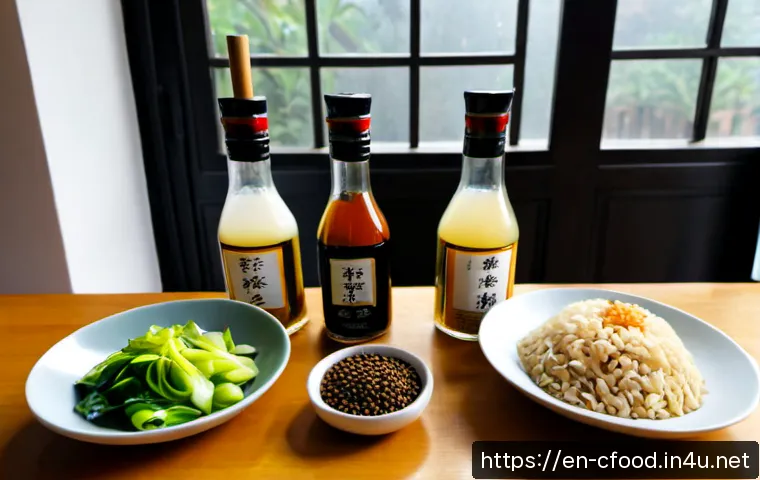
Soy sauce can provide saltiness and savory depth. Fermented bean pastes add complexity, vinegar can sharpen a rich dish, and dried mushrooms or stock can build umami and aroma. Think of these as functions, not interchangeable bottles: choose the ingredient that solves the flavor gap in the dish you are making.
Heat, Oil, and Pan Contact: What Creates Wok Flavor
Maillard browning versus steaming
For browning, food needs contact with a sufficiently hot surface and relatively low surface moisture. Oil can help transfer heat and reduce sticking, but it cannot compensate for a crowded, cool pan. Add ingredients in stages and give proteins time to contact the pan before moving them constantly.
Why overcrowding makes stir-fries watery
When too much food enters at once, the pan temperature drops and ingredients release moisture faster than it can evaporate. The result is often pale meat, soft vegetables, and a thin pool of liquid. Small batches are one of the simplest fixes, especially for home burners with limited output.
When a wok is useful—and when a skillet is enough
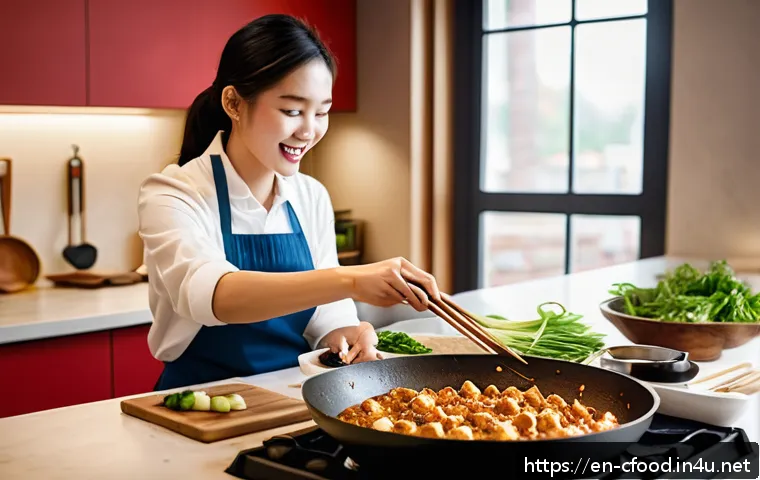
A carbon-steel wok is useful for frequent stir-frying because its shape supports tossing and moving food between hotter and cooler zones. A skillet can still produce excellent results, particularly when you cook smaller portions and avoid overcrowding. For occasional cooks, a skillet may be the more practical purchase; for regular wok cooking, a compatible flat-bottom wok can be a worthwhile cookware upgrade.
Wok and Cookware Comparison: Material, Stove Type, Maintenance, and Value
Carbon steel, cast iron, stainless steel, and nonstick options
Carbon steel is a common choice for cooks who want responsive high-heat cooking and are willing to season and dry the pan. Cast iron can retain heat but may be less convenient for tossing. Stainless steel is durable and straightforward to maintain, although sticking requires attention to heat and oil. Nonstick pans are practical for gentler tasks, but they are not the right tool for pushing very high heat.
Flat-bottom versus round-bottom designs
A round-bottom wok may suit a dedicated wok ring and compatible gas setup. A flat-bottom wok is often more practical for electric, induction, and many standard home ranges. Stability matters: cookware should sit securely and match the heat source before you buy.
Gas, induction, and electric cooktop compatibility
Gas can work well with a wok, but ventilation and safe heat management still matter. Induction and electric cooktops require cookware with a suitable base and compatible material. Check the cookware maker’s compatibility guidance and your cooktop manual rather than assuming every wok works on every surface.
Price tiers and what home cooks actually gain from an upgrade
Price alone does not guarantee better stir-fries. A more suitable pan may improve stability, heat contact, and ease of handling, but it will not remove the need for batch cooking and preparation. Compare cooktop compatibility, weight, base shape, handle comfort, and care requirements before treating a higher-priced wok as an automatic upgrade.
The Texture Toolkit: Starch, Velveting, Steaming, and Frying
How cornstarch, potato starch, and tapioca starch differ
Cornstarch and potato starch are widely used for thickening sauces and making crisp coatings, but they behave differently when heated and cooled. That difference can affect whether a sauce stays glossy or changes texture after resting. Tapioca starch also appears in some recipes, so follow the recipe’s intended starch rather than assuming all starches perform the same way.
Why velveting keeps meat tender
Velveting commonly uses starch, egg white, oil, or a brief pre-cook step. It helps protect the protein and creates a tender surface texture before the final stir-fry or sauce finish. Keep the coating controlled: too much starch can make the finished dish feel heavy or gummy.
Crisp coatings, glossy sauces, and silky steamed dishes
Use starch deliberately. A light coating can support crispness; a slurry can thicken a sauce near the end of cooking. Steaming uses hot vapor to cook food while preserving moisture, making it especially useful for fish, dumplings, eggs, and delicate cakes. Texture contrast matters too: pair crisp vegetables with tender meat, or silky tofu with a crunchy topping.
Common Failures and the Science Behind Fixing Them
Soggy vegetables and pale meat
The likely problem is excess moisture or insufficient pan heat. Prepare ingredients before heating the pan, cook in smaller batches, and remove the first batch before starting the next. Return everything together only when the pan has recovered heat.
Burned garlic, ginger, and scallions
Aromatics cook quickly. If the pan is extremely hot, add them briefly and keep them moving, or add them after sturdier ingredients have begun cooking. Burned aromatics can dominate a dish, so timing matters more than simply increasing heat.
Sauces that are too thin, too thick, or separated
A thin sauce may need more evaporation or a properly mixed starch slurry. A sauce that becomes too thick may have received too much starch or cooked too long after thickening. If oil and liquid separate, reduce the intensity of the heat and add components gradually rather than all at once.
Managing smoke and oil safely in a home kitchen
High-heat cooking can create smoke, especially with oil and aromatics. Use ventilation, keep a clear work area, and choose an approach appropriate for your stove and pan. Restaurant-style heat is not safely achievable on every home setup.
Choosing Equipment and Ingredients: A Practical Comparison Summary
For a beginner, start with a stable pan already compatible with your stove, one reliable cooking oil, soy sauce, vinegar, and a starch suited to your planned dishes. For frequent stir-fry cooking, consider a flat-bottom carbon-steel wok if your cooktop and maintenance preferences support it. Choose pantry staples by the dishes you cook most: fermented bean paste, dried mushrooms, stock, and specialty vinegars are useful when their flavor function matches your recipes. Before buying more gadgets, consider whether a cooking class, cookbook, or improved burner knowledge would solve the real problem more directly. Compare wok compatibility before buying, and choose pantry staples by the dishes you cook most.
Final Thoughts
Chinese cooking is not one fixed method or equipment list. Better results usually come from understanding heat, moisture, timing, and contrast. A well-prepared skillet meal can be more satisfying than a crowded wok meal. Build your setup around your stove, your ventilation, and the dishes you genuinely want to make.
Useful Things to Know
Prep first: Stir-frying moves quickly, so cut ingredients and mix sauces before heating the pan.
Cook in stages: Batch cooking helps preserve heat and texture.
Use contrast: Combine tender, crisp, silky, or crunchy elements intentionally.
Match the tool to the task: A steamer, skillet, or wok can each be the best choice depending on the dish.
Important Notes
Cookware compatibility, ideal wok size, pricing, and safe heat levels depend on the specific cooktop, ventilation, budget, and frequency of use. Ingredient substitutions may affect allergies, sodium needs, and dietary suitability. No single technique or ingredient list represents all Chinese cuisines, so recipe context and personal preference should guide final choices.
Frequently Asked Questions
Q1. Do I need a wok to cook Chinese food well at home?
A1. No. A wok is useful for frequent stir-frying, especially when its base matches your stove, but a skillet can work very well. Small batches, dry ingredients, preheating, and timing often matter more than owning a particular pan.
Q2. What is the best affordable wok for an electric or induction stove?
A2. A flat-bottom wok is often the most practical starting point for electric or induction cooking, provided its material and base are compatible with your specific cooktop. Check the manufacturer’s compatibility information, stability, weight, and maintenance requirements before comparing current USD prices.
Q3. Why does restaurant stir-fry taste different from food cooked in a home kitchen?
A3. Restaurant cooking may use more intense heat, which supports browning, smoke-related aromas, and rapid cooking. Home cooks can still improve results by avoiding overcrowding, cooking in batches, controlling moisture, and adding aromatics and sauces at the right stage.