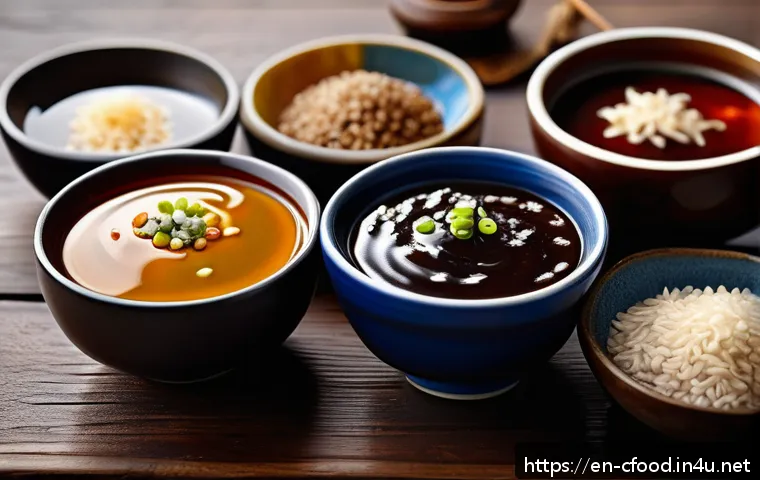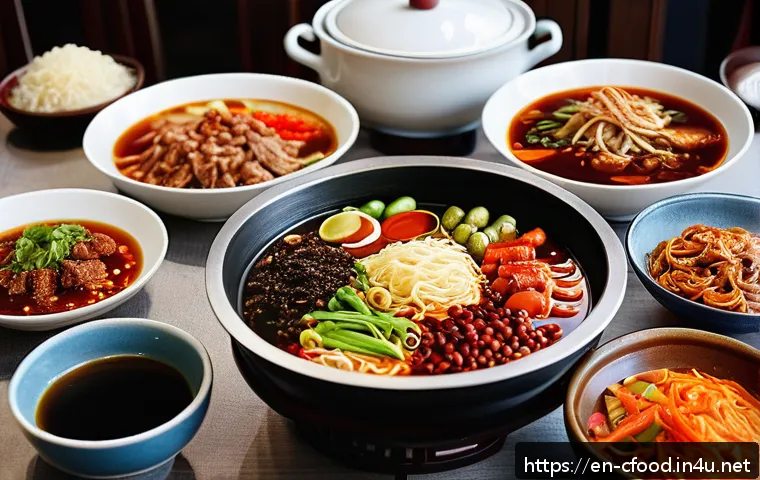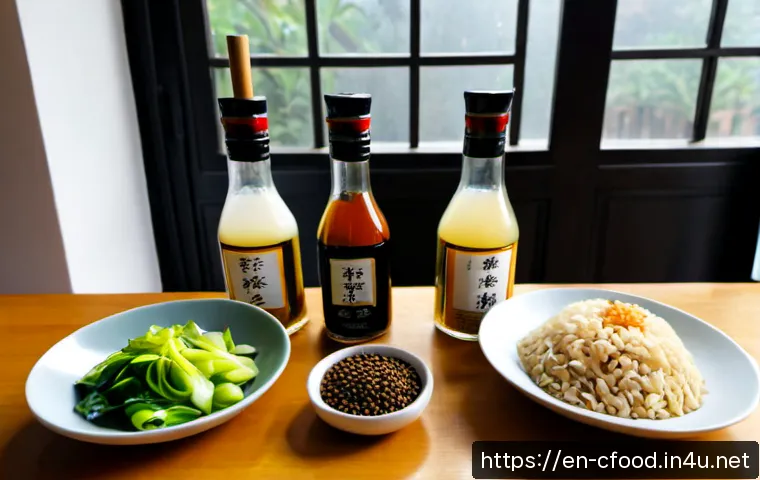
Start with light soy sauce, dark soy sauce, Chinkiang vinegar, Shaoxing wine, sesame oil, ginger, garlic, scallions, dried shiitake mushrooms, and one versatile starch or noodle.
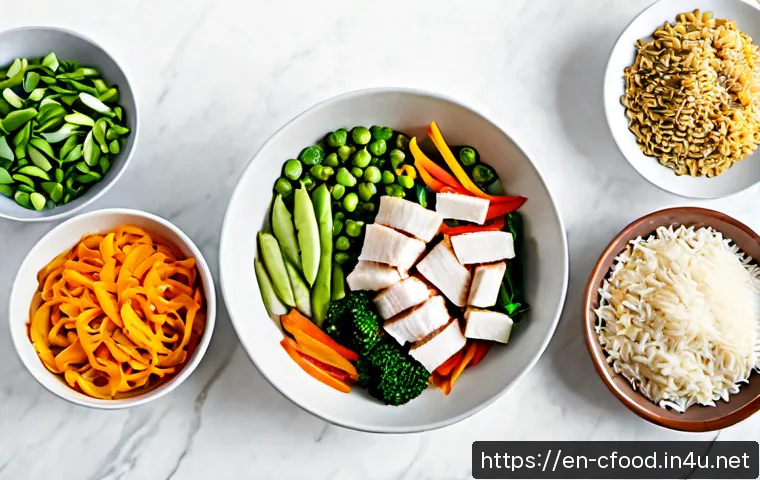
This short list supports many beginner-friendly stir-fries, fried rice dishes, noodle meals, dipping sauces, and simple braises without filling the cupboard with overlapping bottles.
Buy small packages first if you cook Chinese food occasionally, then move to larger bottles when one ingredient becomes part of your regular routine. Light and dark soy sauce have different jobs, while sesame oil is best treated as a finishing ingredient rather than a frying oil.
A specialty Asian grocery can offer more choices, but the best purchase depends on the dish style, ingredient list, freshness, and storage instructions.
Check labels carefully for wheat, soy, shellfish, alcohol, and other allergens before choosing a sauce.
At a Glance
- Buy first: light soy sauce, dark soy sauce, Chinkiang vinegar, Shaoxing wine, sesame oil, ginger, garlic, scallions, dried shiitake, and noodles or starch.
- Use each bottle for a clear role: light soy for seasoning, dark soy for color and deeper flavor, and sesame oil in small finishing amounts.
- Expand later: add Sichuan peppercorn, doubanjiang, wood ear mushrooms, and five-spice powder when you choose a regional style or recipe.
| Ingredient | Main Kitchen Role | Buy-First Priority | Package and Storage Check | Possible Alternative |
|---|---|---|---|---|
| Light soy sauce | Everyday seasoning and saltiness | High | Choose a size you can use steadily; check the label after opening | None with exactly the same role |
| Dark soy sauce | Color and deeper flavor | High | A smaller bottle can suit occasional cooking; follow label storage guidance | Use less if a recipe allows, but it is not interchangeable with light soy |
| Chinkiang vinegar | Dipping sauces and braises | High | Check storage instructions after opening | Rice vinegar changes the result |
| Shaoxing wine | Widely used Chinese cooking wine | High | Compare alcohol content and label instructions before buying | Alcohol-free options may change the final flavor |
| Sesame oil | Finishing oil | High | Buy a manageable bottle and check the manufacturer’s label | Omit rather than use it as a high-heat frying oil |
| Dried shiitake | Concentrated umami after rehydrating | High | Keep dried goods airtight; check the package | Fresh mushrooms create a different result |
| Doubanjiang | Fermented chili bean paste for Sichuan-style dishes | Later | Compare saltiness, heat, and storage directions | No direct substitute |
The Short Answer: Start With a Flexible Chinese Cooking Pantry
A useful Chinese pantry is not a giant collection of sauces. It is a small set of ingredients with separate, practical roles. Begin with the items that can appear across several meal types, then add specialty products only when your cooking starts moving toward a particular region or dish.
The 10 Ingredients That Cover Most Beginner-Friendly Dishes
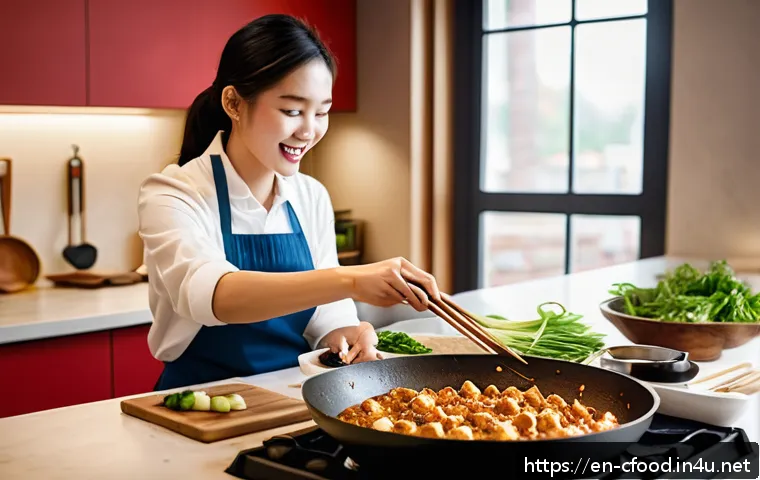
For a first shopping list, focus on light soy sauce, dark soy sauce, Chinkiang vinegar, Shaoxing wine, sesame oil, ginger, garlic, scallions, dried shiitake mushrooms, and either noodles or a starch used in your preferred recipes. This setup gives you a foundation for stir-fries, fried rice, noodles, dipping sauces, and braises.
The most important distinction is between the two soy sauces. Light soy sauce is commonly used for seasoning and saltiness. Dark soy sauce is generally used for color and deeper flavor. Buying only one may be practical at first, but treating them as identical can make recipe results less predictable.
What Can Wait Until You Choose a Regional Cooking Style
Sichuan peppercorn, doubanjiang, wood ear mushrooms, and five-spice powder can wait until you know how often you will use them. Sichuan peppercorn produces a distinctive tingling sensation that is different from black pepper. Doubanjiang is associated with Sichuan-style cooking and may vary greatly in both saltiness and heat.
There is no single product list that defines every Chinese cuisine. “Authentic” is not one fixed shopping standard; regional cooking style and personal preference matter. Avoid buying a large specialty pantry starter kit simply because it contains many unfamiliar bottles.
Core Sauces and Seasonings: What Each One Actually Does
Light Soy Sauce, Dark Soy Sauce, and Oyster Sauce
Use light soy sauce when a recipe needs seasoning and saltiness. Use dark soy sauce when color and deeper flavor are part of the goal. Keeping both bottles makes it easier to follow recipes without forcing one ingredient to do two jobs.
Oyster sauce appears in many Chinese cooking ingredient lists, but product labels can differ. When comparing options at an Asian grocery or online specialty grocery, check the ingredient list and allergen statement rather than assuming that every bottle is suitable for your household.
Black Vinegar, Rice Vinegar, Cooking Wine, and Sesame Oil
Chinkiang vinegar, often called Chinese black vinegar, is a dark Chinese rice vinegar with a savory, malty character. It is often used in dipping sauces and braises. Rice vinegar may be useful in some recipes, but it does not automatically give the same result as Chinkiang vinegar.
Shaoxing wine is a widely used Chinese cooking wine. If you need an alcohol-free product, read the label and expect that a substitute may change the final flavor. Sesame oil should be used in small amounts as a finishing oil, not treated as a high-heat frying oil.
Salt, Sugar, White Pepper, and MSG: Practical Roles and Label Checks
Salt, sugar, white pepper, and MSG are often kept with pantry seasonings because recipes may use them in small, adjustable amounts. The practical point is not to add everything by habit. Follow the recipe, then consider the saltiness of soy sauce, fermented pastes, and other packaged sauces already in the dish.
For all seasoning products, read the ingredient and allergen labels. Sauces and seasonings may contain wheat, soy, shellfish, alcohol, or other allergens. A familiar product name does not confirm dietary suitability.
Buy-First Comparison: Value, Bottle Size, Storage, and Substitutes
Budget Starter Pantry Versus Expanded Pantry
A budget-minded starter pantry should prioritize flexible ingredients: light soy sauce, dark soy sauce, Chinkiang vinegar, Shaoxing wine, sesame oil, fresh aromatics, and dried shiitake. This avoids spending on narrow-use items before you know which dishes will become regular meals.
An expanded pantry can include doubanjiang, Sichuan peppercorn, wood ear mushrooms, five-spice powder, additional noodles, and recipe-specific starches. The expanded route is sensible when you cook Sichuan-style dishes, dumplings, braises, or noodle dishes often enough to use the products before storage becomes an issue.
When Imported, Aged, or Premium Versions Are Worth Considering
A larger bottle, specialty brand, imported item, or premium version may be worth considering when you use that ingredient regularly and can compare ingredients, freshness, intended use, bottle size, and storage needs. Price alone cannot determine quality.
For example, a frequently used light soy sauce may justify more comparison than a specialty paste used for an occasional recipe. For doubanjiang, compare the listed heat and saltiness where available because those characteristics can vary significantly. For dried goods, inspect the package condition and choose an amount you can store properly.
How to Avoid Duplicate Sauces With the Same Kitchen Role
Before adding another bottle to your cart, ask one simple question: What job will this ingredient do that my current pantry cannot? Light soy sauce, dark soy sauce, vinegar, cooking wine, and finishing sesame oil have distinct roles. Buying several bottles without a recipe plan can create waste rather than flexibility.
Build outward from the meals you actually make. A cook focused on fried rice may need a different next purchase than someone making dumpling dipping sauces or Sichuan-style braises.
Aromatics, Dried Goods, and Specialty Staples
Ginger, Garlic, Scallions, Chilies, and Fresh Produce Planning
Ginger, garlic, and scallions are practical fresh staples for many Chinese cooking recipes. Buy them in quantities that match your weekly cooking plan rather than treating them like long-term pantry goods. Fresh chilies can be added when the recipes you choose call for them.

Fresh ingredients and bottled sauces work best as a system. A simple stir-fry may need only aromatics, a protein or vegetables of your choice, and a carefully chosen sauce combination. Keeping the pantry focused makes that combination easier to understand.
Dried Shiitake, Wood Ear Mushrooms, Noodles, and Starches
Dried shiitake mushrooms add concentrated umami and are usually rehydrated before cooking. They are a useful buy because they serve a clear purpose without requiring immediate use. Keep dried goods according to their packaging, using airtight storage where appropriate.
Wood ear mushrooms, noodles, and starches are useful specialty staples, but their priority depends on your cooking habits. Choose noodle types and starches that appear in recipes you expect to make, rather than collecting several varieties without a plan.
Sichuan Peppercorn, Five-Spice Powder, and Fermented Chili Bean Paste
Sichuan peppercorn is not simply a replacement for black pepper. Its characteristic tingling sensation is a specific reason to buy it when you want that style of dish. Five-spice powder and doubanjiang are also more targeted choices than universal starters.
Doubanjiang deserves extra label attention because saltiness and heat can differ significantly. Start with a package size that fits your expected use, and check storage instructions after opening.
Shopping and Storage Mistakes That Affect Flavor and Food Waste
Reading Labels for Salt, Allergens, Alcohol, and Additives
Do not rely on the front label alone. Check for wheat, soy, shellfish, alcohol, and other allergens when relevant to your needs. Also compare ingredient lists when choosing between similar sauces, especially if you are deciding whether a specialty product is worth buying.
Choosing Package Sizes for Occasional Versus Frequent Cooking
Small bottles and packages make sense for ingredients you are testing for the first time. Larger sizes can be more practical only when you cook with the ingredient often and can follow its storage guidance. This is especially relevant for oils, fermented sauces, and dried goods.
Refrigeration, Airtight Storage, and Checking Product Instructions
There is no single storage rule for every Chinese pantry item. Oils, fermented sauces, and dried goods should be checked against the manufacturer’s label after opening. Store dried goods in a way that supports their package guidance, and avoid assuming that every sauce has the same refrigeration needs.
Choose Your Pantry Setup: A Practical Comparison Summary
Best Starting Combination for Stir-Fries and Fried Rice
Start with light soy sauce, dark soy sauce, sesame oil, ginger, garlic, scallions, and a noodle or starch choice that suits your recipes. The key decision is keeping light soy and dark soy separate instead of expecting one bottle to cover both seasoning and color.
Best Additions for Dumplings, Noodles, and Dipping Sauces
Add Chinkiang vinegar for its savory, malty character in dipping sauces. Dried shiitake can be useful for noodle dishes and other recipes that benefit from concentrated umami after rehydrating. Choose noodles based on the dishes you plan to make, not just package appearance.
Best Additions for Braises and Sichuan-Style Dishes
For braises, Chinkiang vinegar and Shaoxing wine are practical additions. For Sichuan-style cooking, add doubanjiang and Sichuan peppercorn after checking the paste’s saltiness, heat, ingredient list, and storage guidance.
Selection Criteria and Comparison Summary
Before buying, compare the ingredient list, allergen information, intended recipe use, package size, and storage instructions. Keep light and dark soy sauce in separate roles. Choose Chinkiang vinegar when you specifically want its dark, savory, malty character, and use sesame oil as a finishing ingredient rather than frying oil. Buy specialty sauces and regional seasonings only when they match dishes you will cook. Compare bottle size, ingredients, and storage needs on the relevant product page before buying.
In Closing
A Chinese cooking pantry becomes more useful when every ingredient has a job. Start with flexible sauces, fresh aromatics, and dried shiitake, then build around the dishes you make most often. Small first purchases can reduce waste while giving you room to compare brands and labels over time. Regional ingredients are most rewarding when they support a clear cooking direction.
Useful Things to Know
1. Light soy sauce and dark soy sauce are not direct duplicates.
2. Chinkiang vinegar and rice vinegar can produce different results.
3. Alcohol-free substitutes for Shaoxing wine may change the final flavor.
4. Sichuan peppercorn has a tingling quality distinct from black pepper.
5. Storage instructions should be checked on each manufacturer’s label after opening.
Important Notes
Availability, country-of-origin details, product labels, and package sizes vary by retailer and region. Dietary suitability cannot be assumed from a product category alone. Product quality is not established by price alone; check freshness, ingredients, intended use, and storage directions. “Authentic” flavor also depends on the specific Chinese regional cuisine and personal preference.
Frequently Asked Questions
Q1. What are the most important Chinese ingredients to buy first for a beginner?
A1. Start with light soy sauce, dark soy sauce, Chinkiang vinegar, Shaoxing wine, sesame oil, ginger, garlic, scallions, dried shiitake mushrooms, and a noodle or starch choice that fits your recipes. This covers several common cooking directions without requiring a large specialty pantry.
Q2. Is it worth paying more for imported soy sauce, black vinegar, or Shaoxing wine?
A2. It may be worth comparing premium or imported options when you use the ingredient regularly and can assess the ingredient list, freshness, intended use, package size, and storage needs. A higher price alone does not confirm better quality or a better match for your cooking.
Q3. Which Chinese pantry ingredients should be refrigerated after opening?
A3. Storage needs vary by product. Oils, fermented sauces, and dried goods should be checked against the manufacturer’s label after opening. Follow the specific package instructions rather than applying one refrigeration rule to every item.