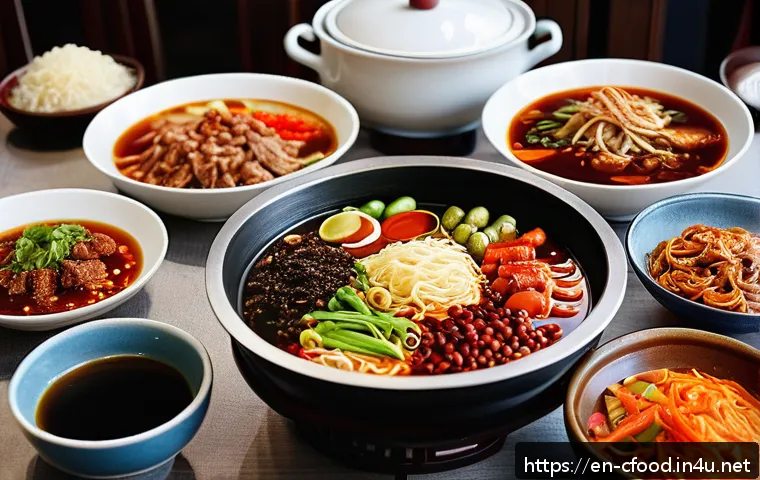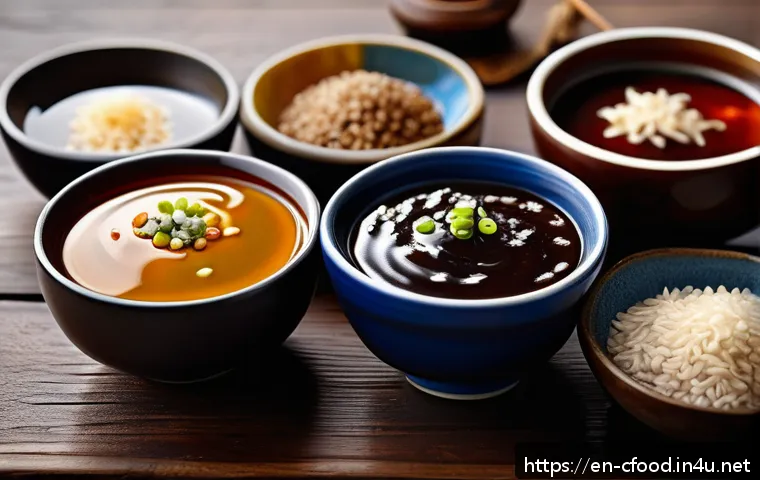
Lately, the culinary world has been buzzing with a renewed appreciation for authentic flavors, and Chinese sauces are at the heart of this trend. Whether you’re a seasoned home cook or just starting to explore Asian cuisine, mastering these essential sauces can transform everyday dishes into extraordinary meals.
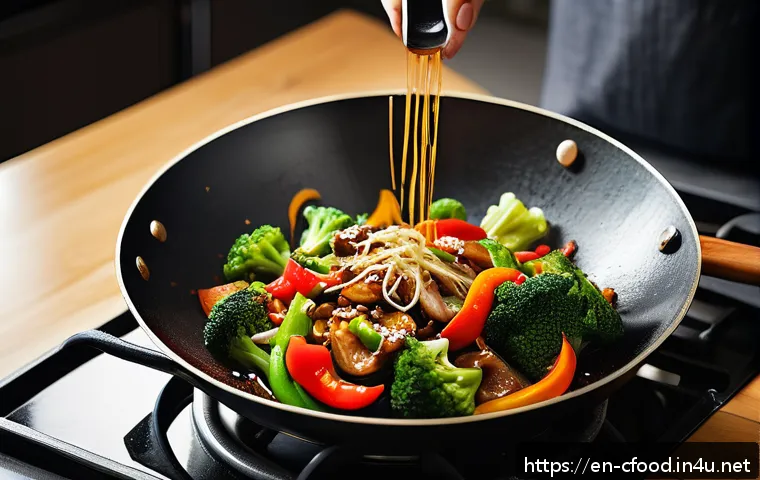
I’ve personally found that understanding the subtle differences between soy sauce, hoisin, oyster sauce, and more opens up a whole new dimension of taste.
In this post, I’ll share not only the basics but also creative ways to elevate your cooking with these versatile ingredients. Stick around—you might just discover your new secret weapon in the kitchen!
Unlocking the Secrets of Soy Sauce Variations
Understanding Light vs. Dark Soy Sauce
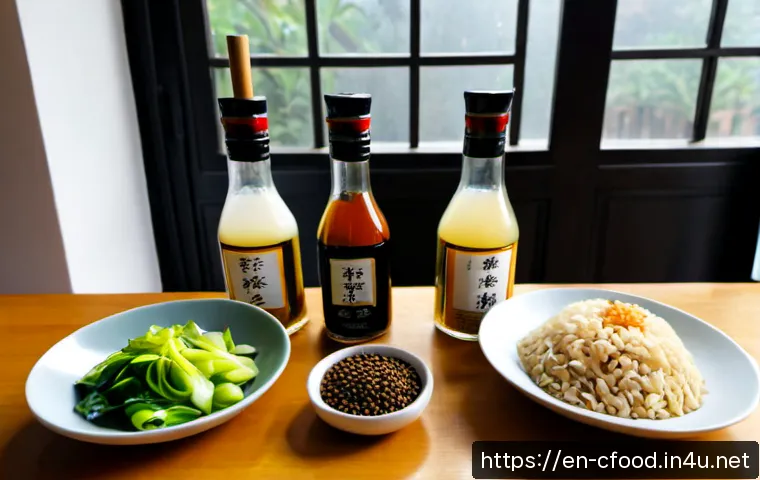
Soy sauce is often the first sauce that comes to mind when thinking about Chinese cooking, but did you know there’s more than one type? Light soy sauce is thinner and saltier, perfect for seasoning and dipping without overpowering the dish.
Dark soy sauce, on the other hand, is thicker, slightly sweeter, and used primarily to add color and depth. When I first started experimenting, I found that swapping dark soy for light soy in a stir-fry made my dish look richer but also gave it a subtle sweetness I wasn’t expecting.
Knowing when to use each can elevate your cooking from bland to vibrant with just a splash.
How to Store and Use Soy Sauce for Maximum Flavor
Many people keep soy sauce in the fridge, but if you use it frequently, storing it in a cool, dark pantry is just fine and keeps it more pourable. I personally pour soy sauce into a small serving dish when cooking, which makes it easier to control the amount and prevents accidentally adding too much.
A little tip: adding soy sauce at the end of cooking preserves its salty umami punch, while adding it too early can make the flavor fade. Over time, I’ve learned that patience with soy sauce pays off in the final taste.
Creative Uses Beyond the Stir-Fry
Soy sauce isn’t just for traditional Chinese dishes. I love mixing a bit of light soy sauce with garlic and ginger as a marinade for grilled chicken or drizzling it over roasted vegetables.
It brings out a savory note that’s hard to replicate with other seasonings. For a quick salad dressing, combining soy sauce with sesame oil, rice vinegar, and a touch of honey creates a balanced, flavorful dressing that feels both fresh and indulgent.
Exploring the Sweet and Savory Depth of Hoisin Sauce
What Makes Hoisin Sauce So Unique?
Hoisin sauce is often described as the “barbecue sauce” of Chinese cuisine because of its sweet, tangy, and slightly spicy profile. It’s made from fermented soybeans, garlic, vinegar, and various spices, which together create a complex flavor that can instantly add richness to a dish.
When I first tasted hoisin on Peking duck, I was blown away by how it complemented the crispy skin and fresh scallions perfectly. It’s a sauce that works wonderfully as a glaze or a dip.
Elevating Everyday Meals with Hoisin
Beyond classic dishes, hoisin sauce can be a secret weapon in the kitchen. I often stir it into noodles or rice bowls to add a sweet-savory kick. It’s also fantastic mixed into stir-fry sauces for a hint of caramelized flavor.
A little goes a long way, so start with a tablespoon and adjust to your taste. One of my favorite quick meals is tossing steamed broccoli with hoisin and a sprinkle of toasted sesame seeds—simple yet incredibly satisfying.
Pairing Hoisin with Other Ingredients
Hoisin sauce’s bold taste pairs beautifully with ingredients like garlic, ginger, chili paste, and even citrus zest. I’ve experimented by adding a splash of lime juice to hoisin-based sauces, which adds a refreshing brightness that cuts through the richness.
For those who enjoy a bit of heat, mixing hoisin with sriracha creates a deliciously balanced sauce perfect for dipping or drizzling.
Oyster Sauce: The Unsung Umami Hero
What Exactly Is Oyster Sauce?
Oyster sauce is a thick, dark brown condiment made by cooking oysters down to extract their natural juices, then combining them with sugar, salt, and cornstarch.
Its rich umami flavor is less salty than soy sauce but adds a deep, savory complexity to dishes. I was hesitant to use oyster sauce at first, but once I incorporated it into my stir-fry recipes, the difference was immediately noticeable—meats and vegetables tasted fuller and more satisfying.
Using Oyster Sauce for Stir-Fries and Beyond
The versatility of oyster sauce is impressive. It works wonders as a finishing sauce for stir-fried greens like bok choy or Chinese broccoli, adding a glossy sheen and mouthwatering flavor.
When I’m short on time, I mix oyster sauce with a little water, garlic, and ginger for a quick sauce that coats noodles or rice perfectly. The key is not to overcook once added, as prolonged heat can dull the taste.
Substituting Oyster Sauce and Flavor Enhancers
If you’re allergic to shellfish or prefer a vegetarian option, mushroom-based sauces can mimic oyster sauce’s umami. I’ve tried vegetarian oyster sauce made from shiitake mushrooms, and while it’s slightly different, it still adds that essential savory punch.
When you need to boost flavor, a small splash of oyster sauce combined with soy sauce and a pinch of sugar can turn a simple dish into something special.
Balancing Flavors with Rice Vinegar and Sesame Oil
The Role of Rice Vinegar in Chinese Cooking
Rice vinegar is often overlooked but plays a critical role in balancing the richness of sauces like soy and hoisin. Its mild acidity brightens dishes and adds a subtle tang that refreshes the palate.
I like to add rice vinegar to dipping sauces or salad dressings to cut through heavier flavors. Unlike Western vinegars, rice vinegar is less harsh, which makes it incredibly versatile in Asian-inspired meals.
Why Sesame Oil Is More Than Just a Flavor Booster
Toasted sesame oil offers a nutty aroma and flavor that’s indispensable in Chinese cuisine. I usually drizzle a tiny bit over cooked dishes just before serving to add warmth and depth.
It’s amazing how a few drops can transform a bowl of plain rice or steamed vegetables. Just be cautious—sesame oil’s flavor is potent, so a little goes a long way.
Combining Rice Vinegar and Sesame Oil in Sauces
When combined, rice vinegar and sesame oil create a dynamic duo that enhances other sauces beautifully. I often mix them with soy sauce and a bit of sugar to make a simple yet addictive sauce for dumplings or cold noodle salads.
This combination brings harmony to the dish, balancing acidity, nuttiness, and saltiness in a way that excites the taste buds.
Decoding Chili Sauce Varieties for Heat and Flavor
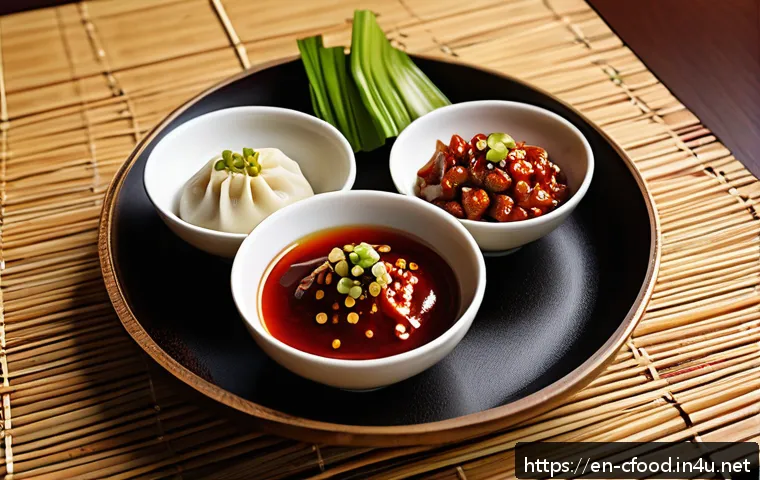
From Mild to Fiery: Choosing the Right Chili Sauce
Chili sauces come in many forms—from sweet and mild to blazing hot. Understanding the heat level and flavor profile is key. For example, chili garlic sauce offers a good balance of spice and pungency, while sambal oelek is more straightforward heat with a fresh chili kick.
Personally, I keep a few types on hand to adjust depending on the dish and my mood.
Incorporating Chili Sauces Without Overpowering
One of the trickiest things about chili sauces is knowing how much to add without drowning the other flavors. I usually start small, tasting as I go, because a little chili can brighten the dish, but too much can overwhelm.
Adding chili sauce at the end of cooking preserves its vibrant flavor, whereas cooking it too long can mute the heat.
Creative Uses for Chili Sauces Beyond Spicy Stir-Fries
Chili sauces aren’t just for heat—they can add complexity and depth. I enjoy mixing chili garlic sauce with honey and soy sauce for a sticky glaze on grilled meats.
Another favorite is blending chili sauce into mayonnaise for a spicy sandwich spread that livens up lunch. These sauces are incredibly adaptable, so don’t be afraid to experiment.
Quick Reference Guide to Essential Chinese Sauces
| Sauce | Main Flavor Profile | Common Uses | Tips |
|---|---|---|---|
| Light Soy Sauce | Salty, thin | Seasoning, dipping, stir-fries | Add at end of cooking for flavor punch |
| Dark Soy Sauce | Sweet, thick, rich color | Coloring, marinades, stews | Use sparingly to avoid overpowering |
| Hoisin Sauce | Sweet, tangy, spicy | Glazes, dips, stir-fries | Great with lime or chili for balance |
| Oyster Sauce | Umami, savory, slightly sweet | Stir-fry sauce, vegetable glaze | Add near end to preserve flavor |
| Rice Vinegar | Mildly acidic, bright | Dressings, dipping sauces | Balances rich sauces |
| Sesame Oil | Nutty, aromatic | Finishing oil, dressings | Use sparingly for aroma |
| Chili Garlic Sauce | Spicy, garlicky | Heat enhancer, dips, marinades | Add gradually to control heat |
Tips for Combining Sauces to Create Signature Flavors
Layering Flavors for Depth
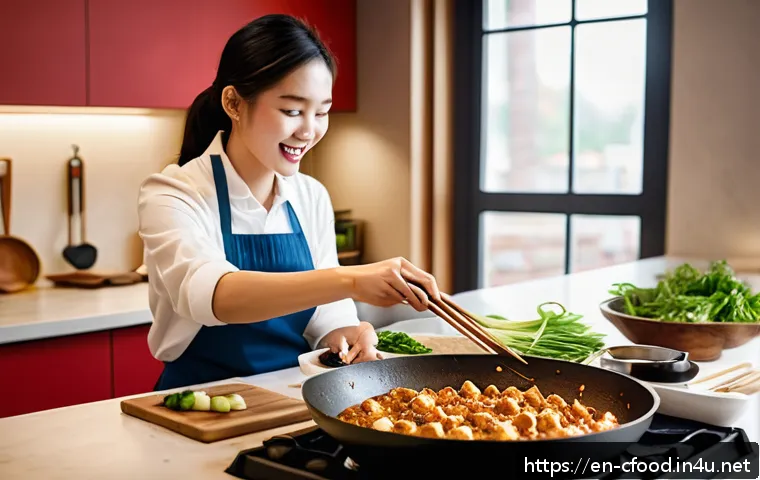
One of the most rewarding parts of working with Chinese sauces is learning how to layer them. For example, combining light soy sauce with oyster sauce and a touch of hoisin can produce a beautifully balanced stir-fry sauce that hits salty, sweet, and umami notes all at once.
From my experience, layering sauces gradually and tasting along the way helps avoid overpowering the dish.
Adjusting Sauces to Personal Taste
Everyone’s palate is different, so don’t hesitate to tweak the ratios of sauces based on what you like. If you prefer less salt, dial back soy sauce and boost sweetness with hoisin or honey.
If you want more heat, add chili sauce in small increments. When I started adjusting sauces to my own taste, cooking became much more enjoyable and creative.
Using Sauces as Marinades and Glazes
Sauces aren’t just for cooking—they make fantastic marinades and glazes too. Marinating meats in a blend of oyster sauce, soy sauce, garlic, and a bit of sugar tenderizes and infuses the protein with flavor.
Glazing vegetables or tofu with hoisin or chili sauce before roasting adds a delicious caramelized finish that always impresses guests.
Common Mistakes and How to Avoid Them
Overusing Soy Sauce and Losing Balance
It’s tempting to pour soy sauce liberally, but too much can make dishes overly salty and mask other flavors. I learned this the hard way when my first attempt at fried rice turned out too salty to enjoy.
Using measured amounts and tasting frequently prevents this problem.
Cooking Sauces Too Long or Too Early
Some sauces, like oyster and soy sauce, lose their punch if cooked too long. Adding them too early can cause the flavors to dissipate. I usually add these sauces near the end of cooking to retain their brightness and richness, which makes a huge difference.
Ignoring Sauce Storage and Shelf Life
Sauces can lose flavor or spoil if not stored properly. Keeping them sealed and away from light preserves their quality. I label my bottles with the date opened and try to use them within a few months to ensure freshness.
This simple habit keeps my dishes tasting their best every time.
Conclusion
Mastering the variety of Chinese sauces can transform everyday meals into extraordinary culinary experiences. Each sauce brings its own unique flavor and character, offering endless possibilities in the kitchen. With a little practice and experimentation, you’ll gain confidence in blending these sauces to create balanced, vibrant dishes. Remember, the key is to taste and adjust as you go, allowing your personal preferences to shine through.
Helpful Tips
1. Always add soy sauce towards the end of cooking to preserve its fresh, salty flavor.
2. Store sauces in a cool, dark place to maintain their quality and prevent spoilage.
3. Start with small amounts when adding chili sauces to control heat levels effectively.
4. Experiment by combining sauces like hoisin, oyster, and soy to develop your own signature flavors.
5. Use sauces not only in cooking but also as marinades and glazes to enhance texture and taste.
Key Takeaways
Understanding the distinct roles and flavor profiles of Chinese sauces is essential for successful cooking. Light and dark soy sauces serve different purposes—seasoning versus color and sweetness. Hoisin and oyster sauces add depth and umami, while rice vinegar and sesame oil balance and enrich dishes. Chili sauces bring heat and complexity but require careful use. Proper storage and timing when adding sauces are crucial to maintaining their full flavor impact. By applying these insights, you can elevate your cooking with confidence and creativity.
Frequently Asked Questions (FAQ) 📖
Q: What is the main difference between soy sauce, hoisin sauce, and oyster sauce?
A: Great question! Soy sauce is a salty, savory liquid made from fermented soybeans and wheat, often used as a base seasoning. Hoisin sauce is thicker and sweeter, made from fermented soybeans, sugar, vinegar, and spices—it’s perfect for glazing or dipping.
Oyster sauce, on the other hand, has a rich, umami-packed flavor derived from oyster extracts, giving dishes a deep savory note without overwhelming sweetness.
Each sauce brings a unique taste, so knowing when to use which can really elevate your cooking.
Q: How can I incorporate these Chinese sauces into everyday cooking without it tasting too strong or overwhelming?
A: I’ve found that balancing is key! Start by adding sauces in small amounts, tasting as you go. For example, a splash of soy sauce can enhance stir-fries or marinades without overpowering.
Hoisin works wonderfully when mixed into sauces or used as a glaze—try pairing it with a bit of lime or chili to cut through the sweetness. Oyster sauce shines in vegetable dishes or noodles, adding depth without heaviness.
Mixing these sauces with fresh ingredients like ginger, garlic, and scallions also helps create a well-rounded flavor profile.
Q: Are there any easy recipes or quick tips for beginners to get started with Chinese sauces?
A: Absolutely! One of my favorite quick dishes is a simple stir-fry: toss your favorite veggies and protein in a hot pan, then add a combo of soy sauce and oyster sauce for a savory boost.
For a snack, try making a dipping sauce by mixing hoisin with a bit of sesame oil and chili flakes—perfect for spring rolls or dumplings. Also, keep these sauces handy in your pantry; they’re incredibly versatile and can instantly transform simple meals.
Don’t be afraid to experiment—cooking with these sauces is all about finding your personal flavor balance.