Chinese cuisine became mainstream in the United States through immigration, adaptable restaurant formats, affordable takeout, and growing interest in regional specialties.
Learn the key stages, cultural shifts, and practical ways to choose Chinese dining options today.
Chinese food became an everyday American choice through immigrant-run restaurants, adaptable menus, and the convenience of takeout and delivery. Its popularity grew further as diners gained access to a wider range of regional Chinese cuisines after later immigration waves. Today, the best choice depends less on one idea of “authenticity” and more on your budget, group size, time, and the kind of meal you want. A quick takeout counter may suit a weekday dinner, while a regional restaurant can offer a more focused dining experience. Delivery can save time but may add fees, and catering can make sense when a larger group needs flexible portions. The comparison below helps match the format to the occasion before you order.
At a Glance
- Chinese restaurants in the United States grew from immigrant-community businesses into familiar options for many kinds of diners.
- Chinese American classics developed through adaptation to local ingredients, portions, and customer preferences; they are not the same as all regional cuisines of China.
- Takeout, delivery, dine-in meals, banquet service, and catering each offer different trade-offs in speed, menu variety, and total cost.
| Dining Format | Best For | Typical Cost Factors | Speed and Menu Breadth |
|---|---|---|---|
| Takeout | Solo meals, casual family dinners, quick pickups | Menu item prices, combination meals, portion size, tax | Usually fast; often includes familiar classics and house specialties |
| Delivery | Busy evenings, office lunches, convenience-first orders | Delivery fees, service fees, minimum orders, tips, menu markups | Convenient; selection may vary by platform or delivery area |
| Dine-In | Family-style meals, regional specialties, celebrations | Menu prices, service charges where applicable, beverages, gratuity | Slower but often better for sharing dishes and exploring a wider menu |
| Banquet or Family-Style Service | Celebrations and larger seated groups | Group menu structure, service level, guest count, advance arrangements | Built for sharing; menu breadth can be substantial |
| Catering | Meetings, parties, and larger gatherings | Minimum order, tray size, delivery, setup, dietary requests, service | Practical for groups; confirm what is included before ordering |
Why Chinese Food Moved From Immigrant Enclaves to Everyday Dining
Immigration, Urban Neighborhoods, and the First Restaurant Audiences
Chinese immigrants established restaurants in several U.S. cities during the nineteenth century. These businesses served Chinese communities while also welcoming non-Chinese customers. Restaurants created a public place where diners could encounter unfamiliar ingredients, cooking styles, and shared meals in an approachable setting.
The expansion did not happen at one uniform pace. Different cities, immigrant communities, and historical periods developed differently. Still, restaurants helped make Chinese food visible beyond the neighborhoods where many early Chinese American businesses were located.
How Accessible Menus Helped Reach New Customers
Early Chinese American restaurant menus often adapted to local ingredient availability, customer expectations, portion sizes, and flavor preferences. This was not simply a matter of changing food beyond recognition. It was also a practical restaurant response to the supplies, audiences, and dining habits available in a particular place.
Familiar menu structures made ordering easier for customers who had little prior experience with Chinese cooking. Dishes associated with Chinese American dining became recognizable choices for casual meals, especially when restaurants could offer filling portions and straightforward ordering.
The Difference Between Cultural Exchange and Simple “Americanization”
It is too simple to describe Chinese American food as either fully traditional or merely altered. Chinese American restaurants reflect cultural exchange, business adaptation, and culinary creativity. They developed in the United States, often through the work of Chinese immigrant communities, and they remain meaningful to many diners.
At the same time, Chinese American classics do not represent every cuisine found across China. A diner can appreciate a familiar takeout dish while also seeking out a Sichuan, Cantonese, Hunan, Taiwanese, or northern-style menu.
The Major Stages That Expanded Its Popular Appeal
Early Restaurant Culture and the Rise of Familiar Dishes
As Chinese restaurants reached more customers, certain dishes became widely recognized. Chop suey was especially well known in the United States during the late nineteenth and early twentieth centuries. Its exact origin and development remain debated, so it should not be treated as a settled single-origin story.
What matters historically is that familiar dishes gave many Americans an accessible entry point. Restaurant menus could reduce uncertainty by offering clear choices, flexible combinations, and foods designed for local dining habits.
Takeout Counters, Delivery, and Convenience-Driven Dining
Chinese restaurants became a routine option for households, students, and office workers in part because of takeout, delivery, and affordable combination meals. A counter-service pickup order fits a different need than a long restaurant meal: speed, portability, and an easy way to feed one person or several people.
Convenience remains a major reason to compare restaurant formats before ordering. A delivery order may be useful when time matters most, but the final total can change after delivery fees, service fees, tips, or minimum-order requirements. Pickup may offer a clearer view of the total, while dine-in may be better when the experience of sharing dishes matters.
New Immigration and Wider Access to Regional Specialties
Post-1965 immigration contributed to greater visibility for regional Chinese cuisines in the United States. Diners increasingly encountered restaurants focused on Cantonese, Sichuan, Hunan, Taiwanese, and northern styles. This broadened the public understanding of Chinese food beyond a single takeout-menu model.
Regional specialization can help diners choose more intentionally. Rather than asking whether one menu is more “authentic,” ask what the restaurant says it specializes in, whether the menu explains dishes clearly, and whether the meal suits your preferences for spice, shared plates, noodles, seafood, dumplings, or other formats.
Chinese American Classics and Regional Chinese Cuisines Compared
What Diners May Find on a Classic Takeout Menu
A classic Chinese American takeout menu often emphasizes convenient ordering, familiar dish names, combination meals, rice, noodles, and shareable entrées. These menus can be especially useful for a fast dinner, a student meal, or an office lunch where customers want predictable options and simple ordering.
That does not make the food less valid. Chinese American cuisine has its own history in the United States. The practical question is whether the restaurant’s menu, portions, dietary options, and pickup or delivery terms fit your needs.
How Sichuan, Cantonese, Hunan, Taiwanese, and Northern Styles Can Differ
Regional labels can point diners toward different culinary traditions, but they are not rigid guarantees. Sichuan menus may highlight bold seasoning and dishes associated with the region. Cantonese restaurants may offer a different range of preparations and banquet-style choices. Hunan, Taiwanese, and northern styles can also bring distinct menu emphases, including different approaches to noodles, dumplings, rice dishes, snacks, or shared entrées.
The most useful step is to read the actual menu rather than relying on a label alone. A regional name can guide exploration, but it does not establish one universal standard of quality or origin.
Why One Menu Cannot Represent All Chinese Food
China contains many regional cuisines, ingredients, and dining traditions. A single restaurant menu cannot stand for all of them. This is why the contrast between Chinese American classics and regional Chinese cuisine should not become a ranking system.
Choose based on the meal you want. A familiar takeout order can be right for convenience. A specialty regional menu can be right when you want to explore a particular style. Both can be worthwhile when the restaurant communicates clearly and serves the occasion well.
Price, Convenience, and Value Across Dining Formats
Takeout, Delivery, Dine-In, and Catering Comparison
Menu price is only one part of value. Takeout may work well when you can pick up quickly and want to avoid delivery-related charges. Delivery may be worth the added total when travel time or mobility is the bigger concern. Dine-in can be a stronger option for sharing multiple dishes, while catering can reduce the complexity of ordering individual meals for a larger group.
For group orders, compare more than the headline price. Look at portion descriptions, tray sizes, minimum orders, delivery fees, service charges, and included items. If beverages, utensils, setup, or delivery are important, confirm whether they are part of the order or separate.
Cost Factors to Check Before Placing a Group Order

Before choosing Chinese food catering or a large delivery order, check whether the restaurant lists a minimum order, how dishes are portioned, and whether dietary requests require advance notice. A lower menu total may not remain lower after service and delivery costs are added. On the other hand, a larger shared order may be more practical than many separate individual orders when the group is comfortable sharing.
For an office lunch, it can help to choose a restaurant with clear labels for vegetarian choices, spice levels, and common dietary requests. Clear menu descriptions reduce last-minute confusion and make it easier to compare catering value.
Common Ordering Mistakes: Fees, Portion Assumptions, and Dietary Requests
One common mistake is assuming that every entrée serves the same number of people. Another is comparing delivery and pickup without checking the final checkout total. A third is waiting until the order is placed to mention allergies, vegetarian needs, or spice preferences.
Ask early and keep the request specific. For example, confirm which dishes can meet a dietary preference, whether substitutions are possible, and whether the restaurant can communicate clearly about ingredients. Do not assume that a menu label alone answers every question.
Choosing the Right Option for Different Occasions
Quick Weekday Meals and Office Lunches
For a weekday meal, takeout often makes sense when speed and a straightforward total matter most. Delivery can be useful when pickup is inconvenient, especially for an office lunch, but compare the delivery fee and minimum order before deciding.
Choose menu items that travel well and make ordering easy for the group. If several people have different preferences, a restaurant with clear combination meals, rice or noodle options, and visible dietary information may be easier to manage.
Family-Style Dining and Celebrations
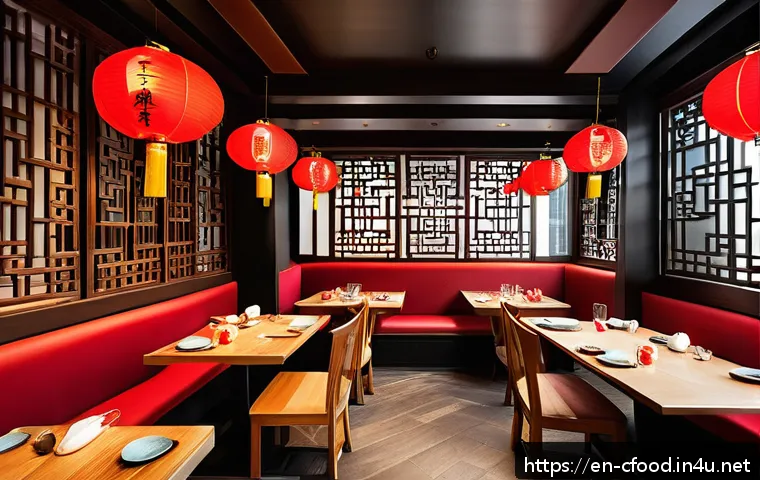
For family gatherings, dine-in service can create more room for shared dishes and broader menu exploration. A banquet restaurant or a restaurant with family-style service may be more suitable when the meal itself is part of the occasion.
Check the restaurant’s group seating, menu format, and service expectations in advance. For celebrations, convenience is not the only value factor; a comfortable setting and enough menu variety can matter just as much as the final bill.
Catering for Meetings and Larger Gatherings
Catering is often worth considering when many people need to be fed at the same time. It can simplify planning, but only if the order details are clear. Compare local catering menus and delivery fees before ordering for a group.
Confirm guest count, tray size, dietary needs, delivery timing, setup expectations, and whether utensils are included. A restaurant’s catering page or ordering information should explain the available options and conditions.
Selection Criteria and Comparison Summary
Match the Restaurant Format to Budget, Group Size, and Time Available
Start with the practical limits: how many people are eating, how much time you have, and whether the meal needs pickup, delivery, seating, or event setup. A smaller order may favor takeout; a larger gathering may favor family-style dining or catering.
Check Regional Focus, Menu Clarity, Reviews, and Allergy Communication
Look for a clear menu, stated regional focus, understandable portion information, and responsive communication. Reviews can offer useful context, but they should not replace checking the current menu, ordering terms, and dietary information directly with the restaurant.
Decide When a Larger Order, Dine-In Experience, or Specialty Menu Is Worth the Added Cost
A specialty regional menu may be worth choosing when you want a particular style of food rather than the fastest possible meal. Dine-in may be worth it when sharing, service, and atmosphere matter. Catering may be worth it when it reduces the work of coordinating a larger group.
Selection Criteria and Comparison Summary
Before ordering, check group size, pickup versus delivery costs, portion and tray details, dietary communication, and the restaurant’s menu focus. Do not judge value by menu price alone; delivery fees, minimum orders, service charges, and convenience can change the decision. For a group meal, compare local catering menus, delivery conditions, and included services on the restaurant’s official ordering information before confirming the order.
In Closing
Chinese food became a familiar part of American dining through immigration, restaurant adaptation, and formats that made meals easy to order and share. Its history includes both Chinese American classics and a growing range of regional Chinese cuisines. Neither category needs to replace the other. The most useful approach is to choose a restaurant and dining format that fit the occasion, then verify the practical details before you order.
Useful Things to Know
1. “Authentic” is not a reliable single measure of quality or regional accuracy.
2. Chop suey is historically important in Chinese American dining, but its precise origin remains disputed.
3. Delivery totals can differ from pickup totals because of fees, minimums, and service-related charges.
4. Regional menu labels are a starting point; the actual menu provides better guidance.
5. Large orders work best when dietary needs and portion expectations are confirmed early.
Important Notes
Restaurant pricing, delivery availability, catering terms, and menu selection vary substantially by city, restaurant type, platform, service level, and group size. Regional labels and menu descriptions should be checked directly with the restaurant when they affect your decision. For allergies or strict dietary requirements, ask the restaurant specific questions rather than relying only on general menu categories.
Frequently Asked Questions
Q1. How did Chinese food become so popular in the United States?
A1. Chinese immigrants established restaurants in U.S. cities during the nineteenth century, serving Chinese communities and non-Chinese customers. Adaptable menus, familiar dishes, takeout, delivery, and affordable combination meals helped Chinese restaurants become a regular choice for households, students, and office workers.
Q2. What is the difference between Chinese American food and regional Chinese cuisine?
A2. Chinese American food developed in the United States through adaptation to local ingredients, portions, and customer preferences. Regional Chinese cuisines refer to a wide range of culinary traditions, including Cantonese, Sichuan, Hunan, Taiwanese, and northern styles. Neither category represents all Chinese food, and one is not automatically better than the other.
Q3. Is Chinese food delivery or catering better value for a group order?
A3. It depends on group size, timing, tray portions, minimum orders, delivery fees, and service needs. Delivery may work for a smaller group that wants convenience, while catering may be more practical for a larger event. Compare the final total and included services, not only the listed menu prices.