Learn what Chinese cuisine chef certification can mean in English-speaking markets, which training paths fit restaurant careers, what costs to compare, and how to avoid choosing a program that does not support your goals.

Chinese cuisine chef certification is not one universal qualification in English-speaking markets. The right path depends on whether you need job-ready kitchen skills, a formal culinary credential, or experience in a specific restaurant environment.
For many restaurant roles, employers look closely at wok control, knife work, food safety knowledge, speed, consistency, and relevant kitchen experience.
A culinary school, vocational certificate, short specialty course, or employer-led training route can each make sense for a different goal. Before paying tuition or a deposit, compare practical kitchen hours, total costs, food-safety coverage, and whether local employers recognize the training.
The most useful program is usually the one that matches the role you want next, not simply the one with the most impressive certificate title.
At a Glance
- No single Chinese cuisine chef certificate is universally required across English-speaking countries.
- Restaurant employers may value hands-on wok skills, knife work, food safety knowledge, and kitchen experience as much as formal training.
- Compare total tuition, tools, ingredients, uniforms, schedules, and practical kitchen time before choosing a program.
| Training Route | Typical Time Commitment | Cost Consideration | Hands-On Training | Best Fit |
|---|---|---|---|---|
| Community college or vocational program | Structured, longer-term study | Compare tuition, ingredients, uniforms, tools, and transport | Often designed around foundational kitchen practice | Beginners seeking a broader culinary credential |
| Private culinary school or Chinese cooking course | Varies by school and specialty | Ask what is included beyond listed culinary school tuition | May focus on specific cuisines or techniques | Students who want focused instruction |
| Short specialty course | Shorter and technique-focused | Check equipment, ingredient, and exam fees | Useful for targeted skills, but limited in scope | Working cooks and serious home cooks |
| Restaurant apprenticeship or entry-level role | Built around actual service shifts | Consider lost work hours, travel, and required food safety certification | Direct exposure to prep, service, and team workflow | People prioritizing restaurant-specific experience |
What Credential Do You Actually Need to Work in Chinese Cuisine?
The short answer is that the credential you need depends on the job, employer, and local rules. A Chinese cuisine chef certification may describe a school certificate, a vocational qualification, a food safety card, or training recognized by a particular restaurant. Do not assume that one certificate automatically qualifies you for every kitchen role.
The Difference Between Culinary Certificates, Food-Safety Cards, and Employer Training
A culinary certificate usually shows that you completed a planned course of kitchen instruction. It may cover foundational cooking methods, knife skills, sanitation, organization, and sometimes cuisine-specific classes. A diploma or degree can include broader culinary, management, and hospitality subjects.
A food handler or food safety credential is different. Depending on local regulations and the employer, it may be required or strongly preferred. It focuses on safe food handling rather than proving advanced wok technique or Chinese menu knowledge.
Employer training is often practical and role-specific. A restaurant may teach its own prep standards, station setup, recipes, service pace, and quality checks. This can be highly valuable, but another employer may not view it as a transferable formal qualification.
When Practical Kitchen Experience Matters More Than a Formal Qualification
In a busy Chinese cuisine kitchen, an employer may need someone who can prep efficiently, follow directions, handle a station, and maintain consistency during service. For that reason, demonstrated performance can matter as much as the certificate itself. A short course without meaningful kitchen practice may not prepare someone for real restaurant pressure.
That does not mean formal training has no value. A structured program can help a beginner build safer habits, understand basic methods, and show commitment. The key is to look for a program that connects the credential to usable kitchen skills.
Three Quick Answers for Beginners, Career Changers, and Working Cooks
Complete beginner: Consider a vocational or community college program if you want a structured foundation, then look for entry-level restaurant exposure.
Career changer: Compare schedules and total out-of-pocket costs carefully. A practical certificate or employer-led route may fit better than a broad program if your immediate goal is an entry-level kitchen role.
Working cook: A short specialty course, food safety certification, or a recognized credential may fill a specific gap, but it should complement—not replace—hands-on experience.
Compare Training Routes by Cost, Time, and Restaurant Career Value
There is no automatic “best” program. The strongest choice is the one that gives you the skills, schedule, and employer relevance you need without adding costs that do not support your next career step.
Community College and Vocational Culinary Programs
Community colleges and vocational programs can offer organized training with a clear course structure. They may be a practical choice for someone who wants a foundation in professional cooking rather than a single technique. Look at how much of the schedule is spent in an active kitchen, not only in classroom instruction.
Before enrolling, ask whether the program includes Chinese cuisine modules, wok cooking exposure, food safety training, and career support. A general culinary program can still be useful, but it may not teach the exact menu style or station routines of a Chinese restaurant.
Private Culinary Schools and Specialized Chinese Cooking Courses
Private culinary schools and specialized Chinese cooking courses may offer more focused instruction. A course can be appealing if you want to develop particular skills such as wok technique, regional dishes, prep methods, or professional knife work.
However, a specialty course title alone does not tell you how employers will view it. Ask about instructor kitchen experience, practical class time, ingredient access, and whether students cook independently or mostly observe demonstrations. Compare the full culinary school tuition and all mandatory extras before deciding.
Apprenticeships, Entry-Level Kitchen Roles, and Employer-Led Training
An apprenticeship, kitchen assistant role, prep position, or employer-led training arrangement can provide direct exposure to professional standards. You may learn how a kitchen organizes mise en place, handles service-time communication, prepares ingredients, and keeps output consistent.
This route can be especially relevant if you already have basic cooking ability and need restaurant experience. Still, confirm whether the role includes genuine mentoring and skill development. Some entry-level work provides valuable training; some may offer limited opportunities to move beyond repetitive tasks.
What to Include When Comparing Tuition and Total Out-of-Pocket Costs
Do not compare programs by tuition alone. Ask for a written breakdown of the complete cost. Your checklist should include:
- Tuition and registration charges
- Ingredients and kitchen supplies
- Chef uniforms, shoes, and protective items
- Professional knife and wok equipment requirements
- Food safety certification or exam costs
- Transportation, parking, and schedule-related costs
- Lost work hours if classes affect your current job
When comparing local culinary programs, review the course schedule, payment options, required equipment list, and refund terms on the official program page before making a deposit.
Skills Employers Often Look For in a Chinese Cuisine Kitchen
A credential can open a conversation, but kitchen performance often determines whether you can succeed in the role. Focus on skills that transfer directly to prep work, line cooking, and service.
Wok Technique, Heat Control, Prep Speed, and Consistency
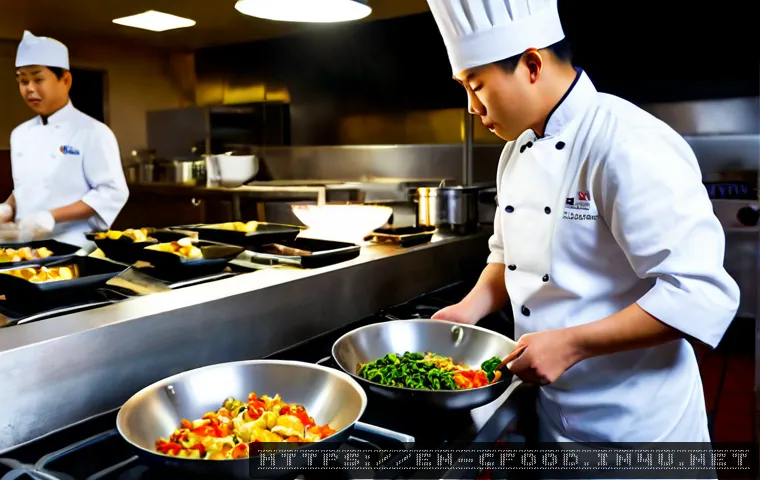
Chinese cuisine kitchens may require controlled use of high heat, efficient movement, and attention to timing. Wok technique is not only about tossing ingredients. It also involves heat control, sequencing, portion awareness, and keeping the cooking area organized.
Speed matters, but consistent results and safe work habits matter too. A good training program should help students practice a method repeatedly, receive feedback, and understand how preparation affects service.
Knife Safety, Ingredient Handling, and Food-Safety Fundamentals
Knife work includes safety, accuracy, and steady repetition. In professional kitchens, prep quality affects cooking time, texture, and presentation. Food safety knowledge is equally important because food handling expectations may come from both local rules and restaurant policy.
Ask whether a program teaches safe storage, cross-contamination prevention, cleaning routines, and ingredient handling in a real kitchen setting. If food safety certification is needed in your area, confirm the local requirement directly with the appropriate authority or employer.
Menu Familiarity, Teamwork, and Service-Time Organization
Restaurant cooking is team work. You may need to understand station responsibilities, communicate clearly, manage prep lists, and respond calmly during busy service periods. Familiarity with a restaurant’s menu and standards can be more useful than broad theoretical knowledge when applying for a specific role.

Programs that include practical kitchen routines, team cooking, and instructor feedback may better reflect the working environment than classes based mainly on demonstrations.
How to Evaluate a Program Before Paying a Deposit
Before committing to chef training, turn the school’s marketing language into questions you can verify. A useful program should be clear about what students actually do, what they receive, and what they must pay.
Questions About Hands-On Kitchen Hours and Instructor Experience
Ask how much instruction involves students cooking themselves. Find out whether classes include active prep, wok work, knife practice, cleaning, and service-style timing. Also ask about the instructor’s relevant professional kitchen background and whether feedback is available during practical sessions.
A program can be valuable even if it is not exclusively Chinese cuisine focused, but its practical format should match your goal. If you want restaurant work, prioritize hands-on kitchen practice over a certificate with unclear skill outcomes.
Equipment, Ingredient, Uniform, and Exam Fees to Confirm in Writing
Request a written list of required purchases and fees. This should include uniforms, tools, professional knife sets, wok equipment if required, ingredients, books or digital materials, assessments, and food safety exam charges. Clear cost information makes it easier to compare culinary school tuition fairly.
Red Flags: Vague Outcomes, Little Practical Training, or Unclear Refund Terms
Be cautious if a provider cannot explain what skills students practice, how practical work is assessed, or what additional expenses apply. Also be careful with broad job claims that do not describe the type of support offered. No course can guarantee a restaurant job, employer acceptance, or a specific income outcome.
Read the cancellation and refund terms before paying. If local licensing, immigration, apprenticeship, or food-safety rules may affect your plan, verify them independently rather than relying only on a training provider’s summary.
Best Route for Your Starting Point
Complete Beginner Seeking an Entry-Level Restaurant Role
A beginner may benefit from a foundational culinary or vocational program with substantial practical kitchen time. Pairing that foundation with an entry-level kitchen opportunity can help you see how professional prep and service actually work. Confirm whether a local food handler credential is required or preferred before applying.
Home Cook Moving Toward Professional Work
Strong home cooking experience is a useful starting point, but commercial kitchens demand speed, consistency, sanitation, and teamwork. A practical short course can target a gap such as wok technique or knife safety, while restaurant work can build service-time habits. Choose training that puts you in a kitchen, not only in front of a screen.
Experienced Cook Who Needs Food-Safety Training or a Recognized Credential
If you already have relevant kitchen experience, identify the exact gap first. You may only need food safety certification, documented training, or a credential that a prospective employer recognizes. Ask the employer which qualifications they accept before enrolling in a broad program that duplicates skills you already use.
Future Restaurant Owner Building Menu and Operations Knowledge
A future owner may need more than cooking technique. A diploma or broader culinary program can include management and hospitality subjects, while restaurant-based experience can show how prep, staffing, service, and kitchen systems work together. Consider menu knowledge and operations training alongside food safety responsibilities that may apply locally.
Choosing the Right Training Route: Final Comparison Checklist
Use these points before choosing a course, culinary school, or employer-training opportunity:
- Match the credential to the restaurant role or employer you want.
- Compare total costs, not only advertised culinary school tuition.
- Prioritize practical kitchen hours, feedback, and opportunities to build usable skills.
- Confirm whether food safety certification is required or preferred in your local area.
- Check whether tools, uniforms, ingredients, exams, and transportation are extra.
- Review course schedules, payment options, equipment requirements, and refund terms before paying.
For a final comparison, check each provider’s official course details and ask local restaurants which skills or credentials they value for the role you want.
Conclusion
Chinese cuisine chef certification can be useful, but the name of a certificate is only part of the decision. The best training route should improve the skills you need in a professional kitchen and fit the expectations of local employers. Look for clear practical training, transparent costs, and food safety coverage where relevant. If possible, confirm your target restaurant’s expectations before investing in a program.
Useful Things to Know
Short courses: Helpful for focused techniques, but they may not replace professional kitchen experience.
Equipment costs: A program’s listed price may not include knives, uniforms, ingredients, or other required items.
Employer recognition: Acceptance of online, private-school, or overseas credentials can vary by restaurant.
Food safety: Requirements and preferences can vary by location and employer.
Important Notes
Local rules on food safety, licensing, immigration, and apprenticeships can differ by city, region, and country. Exact tuition, exam fees, course length, placement support, and job outcomes must be confirmed with each provider. Before enrolling, verify whether the credential is relevant to your intended role and accepted by employers in your area.
Frequently Asked Questions
Q1. Do I need a certificate to work as a Chinese cuisine chef?
A1. Not always. Chinese cuisine chef certification is not universally standardized across English-speaking countries. Some employers may place more weight on wok skills, knife work, food safety knowledge, speed, consistency, and relevant kitchen experience. Check the requirements of the employer and local area before enrolling.
Q2. How much does Chinese cuisine chef training usually cost?
A2. Costs can vary widely by school type, course length, included ingredients, uniforms, tools, and placement support. Compare tuition with all additional expenses, including equipment, food safety exams, transportation, and potential lost work hours.
Q3. Is culinary school or a restaurant apprenticeship better for becoming a Chinese cuisine chef?
A3. It depends on your starting point and goal. Culinary school or vocational training can provide a structured foundation and formal credential. An apprenticeship or entry-level restaurant role can provide direct experience with prep, service, and restaurant standards. Many learners benefit from combining practical training with real kitchen experience.