Chinese cuisine is renowned worldwide for its rich flavors and aromatic spices that create unforgettable dishes. From the fiery heat of Sichuan peppercorns to the sweet fragrance of star anise, Chinese spices offer a vibrant palette that enhances every meal.

These spices not only add taste but also bring centuries of cultural heritage and health benefits. Exploring the variety of Chinese spices opens a window into the heart of traditional cooking techniques and regional specialties.
If you’ve ever wondered what makes Chinese food so uniquely delicious, this guide will take you through the essential spices you need to know. Let’s dive in and uncover the secrets behind these captivating flavors!
The Art of Balancing Bold and Subtle Flavors
How Aromatic Spices Shape Chinese Cuisine
Chinese cooking is all about harmony, and the spices used play a starring role in achieving that perfect balance. When you cook with Chinese spices, it’s not just about making food spicy or fragrant; it’s about layering flavors so each bite tells a story.
Take star anise, for example—its sweet, licorice-like aroma gently mingles with savory ingredients, creating a comforting warmth. Then there’s Sichuan peppercorn, which doesn’t just add heat but a unique numbing sensation that tingles the tongue, elevating the overall eating experience.
From my own kitchen experiments, I’ve found that blending these spices carefully can turn a simple stir-fry into an extraordinary dish that feels both familiar and exciting.
Regional Flavor Profiles and Their Distinctive Spice Combinations
China’s vast geography means its spice palette varies dramatically across regions. In Sichuan, the use of bold, tongue-tingling peppercorns and chili peppers dominates, creating that famous “mala” sensation that so many crave.
Meanwhile, Cantonese cuisine often leans toward lighter, more subtle spices like white pepper and ginger, focusing on freshness and natural flavors. Northern Chinese dishes might incorporate cumin and fennel seeds to add warmth and earthiness, reflecting the hearty, meat-heavy meals popular there.
Exploring these regional differences helps you appreciate how spices do more than flavor food—they express local culture and climate through every bite.
Unlocking the Secrets of Spice Pairing in Everyday Cooking
Pairing spices correctly can feel like a puzzle, but once you get the hang of it, the results are incredibly rewarding. For instance, cinnamon pairs beautifully with cloves and star anise in braised dishes, creating a rich, sweet-spicy depth that’s hard to resist.
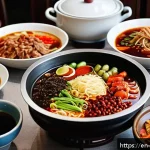
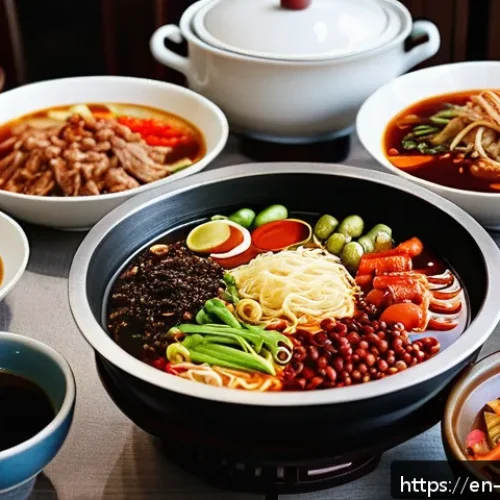
On the other hand, a dash of ground white pepper can brighten a delicate soup without overpowering it. I remember the first time I tried making a classic Chinese hot pot at home; balancing the heat of dried chilies with cooling herbs like Chinese angelica made all the difference in creating a harmonious broth.
Experimenting with spice combinations can transform your cooking from ordinary to restaurant-quality in no time.
Spices That Double as Traditional Medicine
Healing Properties Rooted in Ancient Practices
Many Chinese spices carry centuries-old reputations for promoting health beyond just flavor enhancement. Ginger, for example, is widely celebrated for its ability to aid digestion and soothe nausea.
Star anise is often used in traditional remedies to relieve coughs and improve circulation. From personal experience, adding a few slices of fresh ginger to tea not only comforts me during cold weather but also helps with digestion after heavy meals.
These spices are not just culinary tools; they’re part of a holistic approach to well-being deeply embedded in Chinese culture.
Integrating Spices Into Daily Wellness Routines
Incorporating these spices into everyday meals can have surprisingly positive effects on health. For instance, Sichuan peppercorns stimulate circulation and may help reduce inflammation, making them a smart choice for those wanting to add spice and wellness benefits simultaneously.
I like to grind a small amount into my stir-fry sauces for an extra kick that also feels invigorating. Similarly, cloves contain antioxidants that can boost immunity, and a pinch in braised dishes can subtly enhance both taste and health.
Using spices as natural supplements is a practice I’ve adopted over the years, and it adds a meaningful layer to cooking that goes beyond taste.
Essential Techniques for Maximizing Spice Flavor
Toasting and Grinding: Unlocking Aromatics
One thing I quickly learned is that how you prepare spices changes everything. Toasting whole spices like cumin seeds or star anise before grinding them releases essential oils, intensifying their aroma and flavor.
I always toast my spices in a dry pan until they’re fragrant, which makes a huge difference in dishes like Chinese five-spice pork or beef stir-fry. Grinding spices fresh rather than using pre-ground versions ensures maximum potency and freshness.
This small extra effort in the kitchen brings that unmistakable vibrant punch Chinese cuisine is known for.
Timing and Quantity: The Art of Adding Spices
When to add spices during cooking can be just as important as which spices you use. For example, adding ground white pepper at the end of cooking preserves its delicate heat, while Sichuan peppercorns are often added early to infuse oil with their signature numbing flavor.
Over-spicing can quickly overwhelm a dish, so moderation is key. I usually start with small amounts and adjust according to taste, which helps avoid overpowering the natural flavors of ingredients.
This balance is something I’ve honed over time and is essential for authentic Chinese flavor profiles.
Commonly Overlooked Spices That Deserve a Spotlight
Chinese Cinnamon: More Than Just Sweetness
While many recognize cinnamon’s sweet side, Chinese cinnamon (cassia) offers a bolder, woodier flavor that stands up well in savory dishes. It’s a staple in slow-cooked recipes like red-braised pork, where its warmth complements rich meat beautifully.
From my trials, using cassia instead of typical cinnamon sticks adds complexity and depth that surprises guests every time. This spice also pairs nicely with star anise and cloves, making it a key component of the classic five-spice blend.

Fennel Seeds: The Subtle Sweetness Enhancer
Fennel seeds don’t usually get much attention but their mild licorice flavor works wonders in both meat and vegetable dishes. They can brighten heavy sauces or add an unexpected twist to stir-fried greens.
I found that tossing a pinch into my homemade dumpling filling creates a subtle sweetness that balances savory notes perfectly. Their digestive benefits are a bonus, making fennel seeds a smart choice for flavor and wellness combined.
Chinese Bay Leaves: The Quiet Flavor Carrier
Unlike their Mediterranean cousins, Chinese bay leaves have a unique, slightly floral aroma that gently infuses soups and stews without overwhelming them.
They’re often used in braising liquids to add a rounded depth. I like to add them early in slow-cooking recipes so they have time to release their subtle fragrance.
Their understated presence is a reminder that sometimes the most effective flavors are those that support rather than dominate.
Quick Reference: Spice Characteristics and Uses
| Spice | Flavor Profile | Common Uses | Health Benefits |
|---|---|---|---|
| Sichuan Peppercorn | Numbing, citrusy, slightly spicy | Hot pots, stir-fries, sauces | Improves circulation, reduces inflammation |
| Star Anise | Sweet, licorice-like | Braises, soups, five-spice powder | Antiviral, aids digestion |
| Chinese Cinnamon (Cassia) | Warm, woody, sweet | Slow-cooked meats, desserts | Anti-inflammatory, blood sugar regulation |
| Fennel Seeds | Sweet, mild licorice | Dumplings, stir-fries, soups | Digestive aid, antioxidant |
| Ginger | Pungent, spicy, warming | Marinades, teas, stir-fries | Anti-nausea, anti-inflammatory |
| Cloves | Strong, sweet, aromatic | Braises, spice blends, teas | Antioxidant, antimicrobial |
Incorporating Chinese Spices Into Modern Cooking
Adapting Traditional Spices for Everyday Meals
One of the most rewarding parts of learning about Chinese spices is discovering how versatile they are beyond traditional dishes. For example, adding a pinch of five-spice powder to roasted vegetables or grilled chicken can bring a unique twist that surprises your family and friends.
I’ve also experimented with infusing olive oil with star anise and Sichuan peppercorn to drizzle over salads or noodles, adding a subtle yet intriguing flavor layer.
These spices don’t just belong in classic recipes—they can elevate everyday meals with their distinctive profiles.
Creating Your Own Signature Spice Blends
Making your own spice blends can be a fun way to personalize Chinese flavors in your kitchen. By mixing toasted cinnamon, cloves, fennel, star anise, and Sichuan peppercorns in different ratios, you can tailor the blend to suit your taste preferences.
I started with the traditional five-spice mix but gradually adjusted the amounts to create a milder version that my kids enjoy. Experimenting with blends lets you control the intensity and complexity of flavors, making cooking more creative and satisfying.
Pairing Spices with Western Ingredients
Combining Chinese spices with Western ingredients opens up exciting culinary possibilities. For example, sprinkling a bit of ground white pepper on creamy mashed potatoes adds a gentle heat that complements the dish beautifully.
I’ve also tried adding ginger and star anise to tomato-based sauces for pasta, giving them an unexpected depth and warmth. These fusion ideas demonstrate how Chinese spices can seamlessly integrate into diverse cuisines, broadening your flavor horizons without losing authenticity.
Conclusion
Exploring the rich world of Chinese spices reveals how they bring dishes to life with bold and subtle flavors. Whether used in traditional recipes or modern fusion cooking, these spices offer unique tastes and health benefits. By mastering their use, you can elevate your meals and create memorable culinary experiences. Embracing these spices is a journey into culture, flavor, and wellness all at once.
Useful Information to Remember
1. Chinese spices are not just for heat—they add complex aromas and layers of flavor that transform dishes.
2. Different regions in China use distinctive spice combinations, reflecting their local culture and climate.
3. Many spices also carry health benefits, supporting digestion, circulation, and immunity.
4. Toasting and grinding spices fresh unlocks their full aromatic potential, making a big difference in taste.
5. Experimenting with traditional and fusion spice blends can personalize your cooking and impress your guests.
Key Takeaways
Understanding the balance between bold and subtle spices is essential for authentic Chinese cooking. Using spices thoughtfully—considering timing, quantity, and pairing—enhances flavors without overpowering the dish. Incorporating these spices not only boosts taste but also integrates wellness benefits, making your meals both delicious and nourishing. Remember, the best results come from experimenting and adjusting according to your own palate and preferences.
Frequently Asked Questions (FAQ) 📖
Q: What are the most essential spices used in traditional Chinese cooking?
A: Some of the key spices that define Chinese cuisine include Sichuan peppercorns, star anise, cloves, cinnamon, fennel seeds, and dried chili peppers. Each of these spices contributes unique flavors—Sichuan peppercorns bring a numbing heat, star anise adds a sweet, licorice-like aroma, and cinnamon provides warmth and depth.
These spices are often combined in blends like five-spice powder, which is a cornerstone in many regional dishes. Using these spices thoughtfully is what gives Chinese food its signature complexity and balance.
Q: How do Chinese spices contribute to health benefits beyond flavor?
A: Many Chinese spices are prized not only for their taste but also for their medicinal properties. For example, star anise is known for its antibacterial and antiviral effects, while cinnamon can help regulate blood sugar levels.
Sichuan peppercorns are believed to aid digestion and improve circulation. This dual role of spices as both flavor enhancers and health boosters reflects traditional Chinese medicine’s influence on cooking, where food is seen as a form of healing and balance.
Q: Can I use Chinese spices easily at home, and how should I store them?
A: Absolutely! Incorporating Chinese spices into your home cooking is easier than you might think. Start with small amounts to get accustomed to their bold flavors, and experiment with blends like five-spice powder to enhance stir-fries, soups, and marinades.
To maintain their potency, store these spices in airtight containers away from direct sunlight and heat—ideally in a cool, dark pantry. I’ve personally found that fresh, well-stored spices make a noticeable difference in flavor, turning simple dishes into something truly memorable.