When it comes to refreshing and unique dishes, Chinese cold noodles offer a delightful twist that goes beyond the typical. These chilled noodle dishes combine a variety of textures and flavors, ranging from spicy and tangy to nutty and savory, reflecting the diverse regional cuisines of China.
Whether served with shredded vegetables, aromatic sauces, or tender meats, each version tells a story of local tradition and culinary creativity. Exploring these cold noodle varieties is like taking a flavorful journey through China’s rich food culture.
Let’s dive deeper and uncover what makes Chinese cold noodles truly special!
Exploring the Symphony of Flavors in Chinese Cold Noodles
The Intricate Balance of Spices and Textures
The beauty of Chinese cold noodles lies in their masterful combination of flavors and textures. When you first take a bite, the noodles offer a satisfying chewiness that contrasts perfectly with the crunch of fresh vegetables like julienned cucumbers or bean sprouts.
The sauce is where the magic happens—often a harmonious blend of spicy chili oil, tangy vinegar, and a hint of sweetness. This balance is not accidental; it reflects centuries of culinary tradition where each ingredient plays a crucial role.
I remember trying a Sichuan-style cold noodle dish where the numbing sensation of Sichuan peppercorns mingled with the bright acidity of black vinegar, creating a mouthfeel that was both invigorating and addictive.
How Aromatic Sauces Elevate the Dish
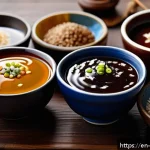
Sauces in cold noodle dishes are like the soul of the meal. Often made with sesame paste or peanut butter, they add a creamy, nutty undertone that softens the heat from chili oil or the sharpness of vinegar.
One of my favorite experiences was tasting a cold noodle dish where the sauce was enriched with toasted sesame oil and crushed garlic, giving every bite a depth that lingered pleasantly.
The sauces also often incorporate soy sauce and sugar, creating a sweet-salty dynamic that enhances the noodles’ natural flavor. The interplay of these components showcases the complexity behind what might seem like a simple dish.
Regional Ingredients That Add Unique Twists
Different regions in China bring their own flair to cold noodles by incorporating local ingredients. For example, in the north, you might find noodles served with shredded chicken and a sprinkle of toasted peanuts for added crunch.
Meanwhile, southern versions might feature pickled vegetables or fresh herbs like cilantro and scallions, adding brightness and freshness. This regional diversity means that cold noodles can range from comforting and savory to bold and spicy, allowing for endless variations.
Personally, this variety keeps me excited every time I try a new version, as each one tells a story of the place it comes from.
A Closer Look at Noodle Types and Their Textural Impact
Wheat-Based Noodles: The Classic Choice
Wheat noodles are the go-to base for many cold noodle dishes due to their firm yet tender texture. They hold sauces well without becoming mushy, which is essential for chilled dishes where the noodles sit in the sauce rather than being stirred immediately before serving.
I’ve noticed that fresh wheat noodles tend to absorb flavors more subtly, allowing the sauce to shine without overpowering the palate. Their slight elasticity also provides a satisfying bite that feels hearty but light enough for a refreshing meal.
Rice Noodles: Light and Refreshing
Rice noodles offer a softer, more delicate texture compared to wheat noodles. Their smooth surface allows sauces to coat each strand beautifully, providing a burst of flavor with every forkful.
When I first tried cold rice noodles with a spicy peanut dressing, the noodles’ coolness paired with the sauce’s warmth created a delightful contrast.
These noodles are especially popular in southern China, where lighter dishes are favored during warmer months.
Cellophane Noodles: A Glassy Twist
Also known as mung bean or glass noodles, these translucent strands bring a unique chewiness and visual appeal to cold noodle dishes. They absorb sauces quickly and have a slightly slippery texture that feels refreshing on the tongue.
I recall a dish featuring these noodles dressed with a sesame-soy sauce and topped with crushed peanuts; the combination was texturally exciting and incredibly satisfying.
Their versatility makes them a favorite for those looking to explore beyond traditional wheat or rice noodles.
The Role of Fresh Vegetables and Herbs in Texture and Flavor
Crunchy Vegetables: The Crisp Counterpoint
Fresh, crunchy vegetables are a staple in cold noodle dishes, providing not only texture but also a burst of freshness that balances richer sauces. Common additions include cucumbers, carrots, and bean sprouts, each contributing a different type of crunch.
When I prepare cold noodles at home, I always make sure to julienne the vegetables finely so they blend well with the noodles yet maintain their individual bite.
This contrast elevates the eating experience by preventing the dish from feeling heavy or monotonous.
Herbs: The Invisible Flavor Boosters
Herbs like cilantro, scallions, and sometimes mint or Thai basil add layers of aromatic complexity to cold noodle dishes. Their bright, fresh notes cut through the richness of sesame or peanut sauces and add a refreshing lift.
I find that a generous sprinkle of fresh herbs right before serving transforms the dish, making it taste vibrant and just-picked. These subtle touches are often what distinguish a good cold noodle dish from a truly memorable one.
Pickled and Fermented Elements for Depth
Some cold noodle recipes include pickled vegetables or fermented ingredients, which introduce a tangy, umami-rich dimension. Pickled radish or mustard greens add acidity and a slight crunch, while fermented black beans or chili pastes deepen the overall flavor profile.
I once enjoyed a cold noodle dish where the pickled mustard greens added a welcome tang that contrasted beautifully with the creamy sesame sauce, creating a layered taste experience that kept me coming back for more.
Mastering the Art of Sauce Preparation
Essential Ingredients for a Balanced Sauce
A well-crafted sauce is the heart of any cold noodle dish, and its ingredients vary widely but usually include some combination of soy sauce, vinegar, chili oil, sesame paste, garlic, and sugar.
Each component has a purpose: soy sauce adds saltiness and umami, vinegar brings acidity, chili oil introduces heat, sesame paste lends creaminess, garlic contributes pungency, and sugar balances everything with sweetness.
From my own cooking experiments, adjusting the ratio of these ingredients is key to tailoring the sauce to different noodle types and personal taste preferences.
Techniques for Achieving Creamy Yet Light Sauces
Achieving the perfect texture in cold noodle sauces can be tricky. Overly thick sauces can weigh down the noodles, while too thin a sauce may leave the dish bland.
One technique I’ve found effective is to blend sesame paste or peanut butter with a bit of warm water or broth to loosen it up before mixing it with other ingredients.
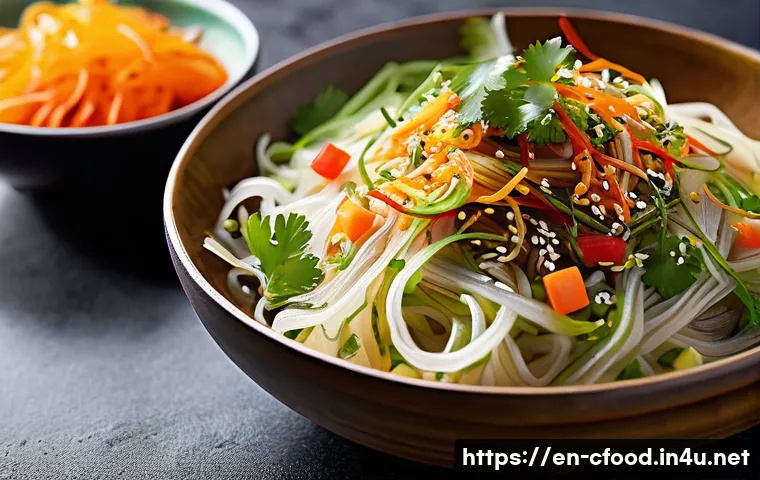
Whisking the sauce vigorously helps emulsify the oils and pastes, resulting in a silky, clingy texture that coats the noodles beautifully without feeling heavy.
Customizing Heat Levels for Every Palate
Not everyone loves their cold noodles fiery, so many recipes allow for easy customization of spice levels. Chili oil or fresh chopped chilies can be added incrementally, letting diners control the heat themselves.
In my experience, serving sauces on the side or drizzling them just before eating ensures the noodles remain fresh and the heat doesn’t overpower the other flavors.
This flexibility is one reason cold noodle dishes are so popular—they’re easily adapted to suit mild, moderate, or intense spice preferences.
The Nutritional Appeal of Cold Noodle Dishes
Balancing Macronutrients for a Satisfying Meal
Chinese cold noodle dishes often strike a great balance between carbohydrates, proteins, and fats, making them both nourishing and energizing. The noodles provide a solid carbohydrate base, while proteins such as shredded chicken, tofu, or boiled eggs contribute muscle-friendly nutrients.
Healthy fats come from sesame oil and nut-based sauces, which also help with the absorption of fat-soluble vitamins. From my perspective, this balance explains why cold noodles can be filling yet not heavy, perfect for warm weather or as a light lunch.
Incorporating Fresh Vegetables for Vitamins and Fiber
The generous use of fresh vegetables not only enhances texture and flavor but also boosts the dish’s nutritional profile. Vegetables like cucumbers and carrots provide vitamins A and C, antioxidants, and fiber, which promote digestion and overall health.
I’ve noticed that when I add more veggies to my cold noodles, I feel lighter and more refreshed afterward, making it easier to keep up with an active lifestyle.
Low-Calorie and Gluten-Free Options
For those watching their calorie intake or avoiding gluten, cold noodle dishes can be easily modified. Using rice or glass noodles instead of wheat caters to gluten sensitivities, while focusing on vegetable-heavy toppings keeps calories in check.
I once made a cold noodle bowl with spiralized zucchini noodles and a light sesame-ginger dressing, and it was surprisingly satisfying without any heaviness.
This adaptability makes cold noodles a versatile choice for various dietary needs.
Presentation and Serving Tips for Maximum Enjoyment
Visual Appeal Through Color and Arrangement
Cold noodle dishes are as much about visual delight as taste. The vibrant colors of shredded vegetables, fresh herbs, and bright red chili oil create an inviting plate that stimulates the appetite.
When plating, I like to arrange the noodles in a neat mound, then layer the vegetables on top in a way that shows off their variety. Drizzling the sauce artistically around the dish rather than just pouring it on can also elevate the presentation, making the meal feel special.
Optimal Temperature and Texture Preservation
Serving cold noodles at the right temperature is crucial for preserving their refreshing quality. They should be chilled enough to feel crisp but not so cold that the flavors are muted.
I often rinse the noodles under cold water after cooking, then chill them briefly in the fridge. Just before serving, I let the sauce sit at room temperature so the flavors don’t become dull.
This attention to detail enhances the overall eating experience, making every bite enjoyable.
Pairing Cold Noodles with Complementary Sides and Drinks
Cold noodles are often part of a larger meal and pair wonderfully with light sides like steamed dumplings or pickled vegetables. In my experience, a crisp, cold beer or lightly sweetened iced tea complements the dish beautifully, balancing the spicy and savory flavors.
For those who prefer non-alcoholic options, a chilled jasmine tea offers floral notes that cleanse the palate between bites. These pairings transform a simple cold noodle dish into a memorable dining experience.
Popular Cold Noodle Styles: A Comparative Overview
| Style | Key Ingredients | Flavor Profile | Regional Origin | Typical Toppings |
|---|---|---|---|---|
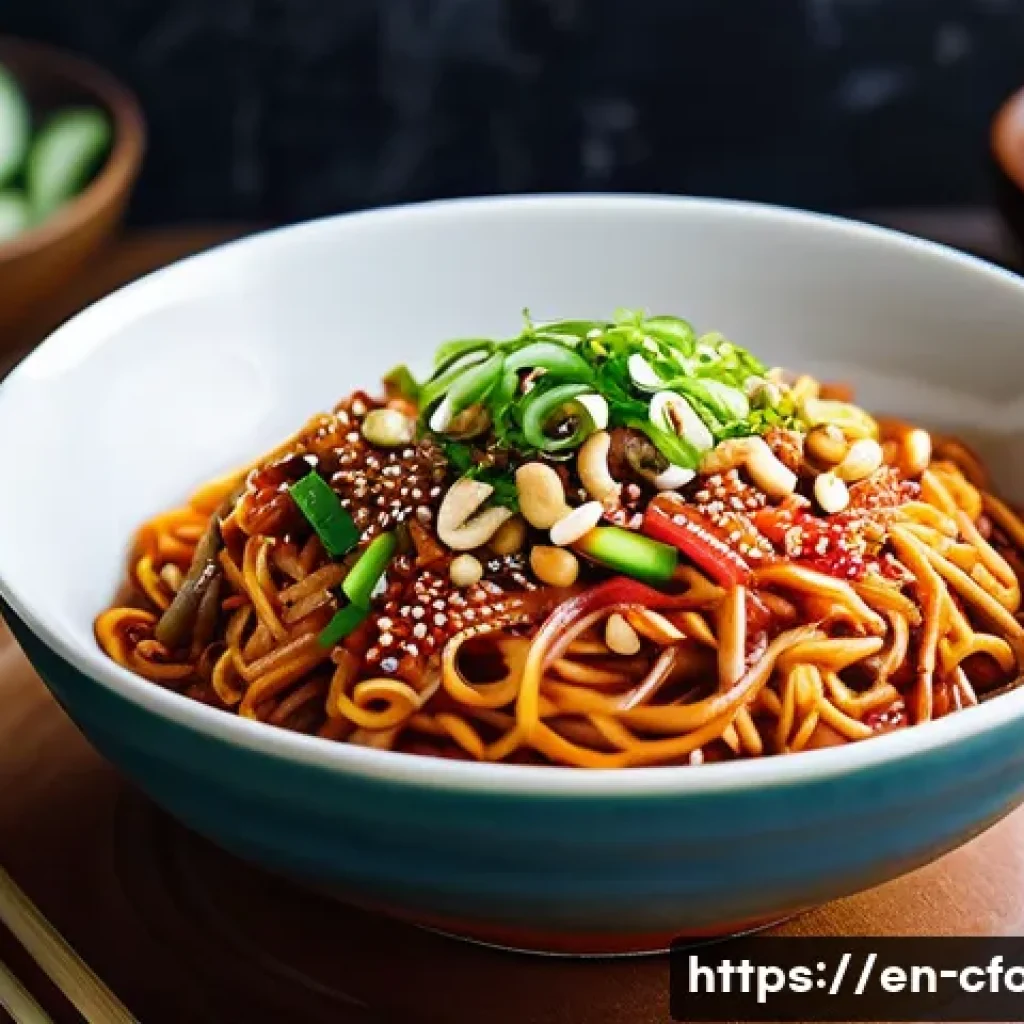
| Sichuan Spicy Cold Noodles | Wheat noodles, chili oil, Sichuan peppercorn, black vinegar, garlic | Spicy, numbing, tangy | Sichuan Province | Shredded cucumber, peanuts, scallions |
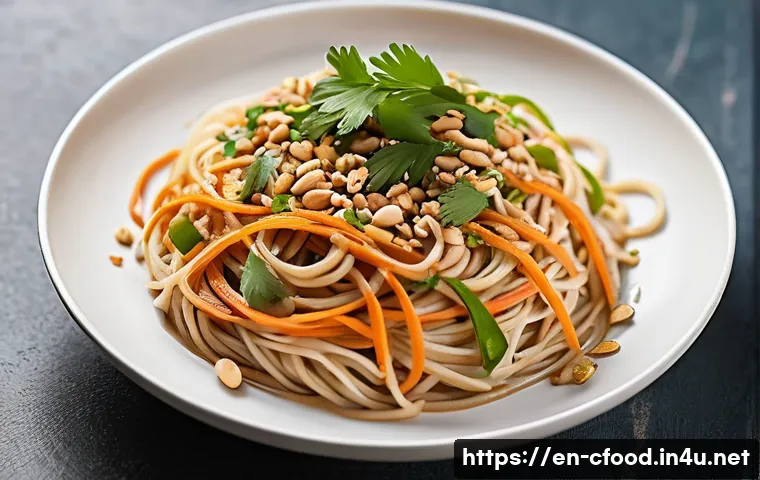
| Sesame Peanut Cold Noodles | Wheat or rice noodles, sesame paste, peanut butter, soy sauce | Nutty, creamy, slightly sweet | Various, popular nationwide | Julienned carrots, cilantro, crushed peanuts |
| Glass Noodles with Soy-Sesame Sauce | Glass noodles, soy sauce, sesame oil, garlic | Light, savory, slightly oily | Southern China | Pickled vegetables, cilantro, chili flakes |
| Cold Rice Noodles with Vinegar Dressing | Rice noodles, black vinegar, chili oil, sugar | Tangy, mildly spicy, refreshing | Southern China | Fresh herbs, shredded chicken, peanuts |
| Cold Noodles with Pickled Mustard Greens | Wheat noodles, pickled mustard greens, soy sauce, chili oil | Sour, spicy, umami-rich | Hunan Province | Scallions, crushed peanuts |
Conclusion
Chinese cold noodles offer an extraordinary blend of flavors and textures that captivate the senses with every bite. From the spicy and numbing notes of Sichuan peppercorns to the creamy richness of sesame sauces, each variation tells a unique story rooted in regional traditions. Exploring these dishes has deepened my appreciation for the artful balance that defines authentic cold noodle recipes. Whether you prefer bold spice or subtle freshness, cold noodles provide a refreshing and satisfying meal option year-round.
Useful Information to Keep in Mind
1. Cold noodles are highly versatile, allowing you to customize sauces and toppings to match your taste preferences and dietary needs.
2. Incorporating fresh vegetables and herbs not only enhances flavor but also boosts the nutritional value of the dish.
3. Different noodle types—wheat, rice, or glass noodles—offer distinct textures, so experimenting can lead to exciting new experiences.
4. Adjusting the spice level is easy and ensures that everyone can enjoy cold noodles, from mild to fiery heat lovers.
5. Serving cold noodles at the right temperature and with complementary sides or drinks elevates the overall dining experience.
Key Takeaways
Mastering the perfect cold noodle dish revolves around balancing bold flavors, diverse textures, and fresh ingredients. The sauce is the heart of the meal, requiring careful preparation to achieve the ideal harmony of heat, acidity, creaminess, and sweetness. Regional variations highlight the cultural richness behind this seemingly simple dish, while thoughtful presentation and serving techniques bring out its best qualities. Whether enjoyed as a light lunch or part of a larger feast, cold noodles deliver a refreshing and flavorful journey worth savoring.
Frequently Asked Questions (FAQ) 📖
Q: What are the key ingredients that make Chinese cold noodles unique compared to other noodle dishes?
A: Chinese cold noodles stand out because of their vibrant combination of textures and flavors. Typically, these dishes feature chewy, chilled noodles paired with fresh shredded vegetables like cucumber and carrots, sometimes complemented by tender meats or tofu.
The sauces play a huge role—ranging from spicy chili oil, tangy vinegar, to nutty sesame or peanut paste. This blend of coolness, crunch, heat, and umami creates a refreshing yet complex taste profile that you don’t often find in hot noodle dishes.
Q: Are Chinese cold noodles healthy, and can they be adapted for different dietary preferences?
A: Absolutely! Chinese cold noodles can be quite healthy, especially since they often emphasize fresh veggies and lean proteins, served cold without heavy frying or excessive oil.
The use of bold, flavorful sauces means you can enjoy a satisfying meal without heavy calories. Plus, they’re very adaptable—whether you’re vegetarian, vegan, or gluten-free, you can swap ingredients like wheat noodles for rice noodles or zucchini noodles and adjust the toppings to suit your needs without losing the dish’s essence.
Q: How do regional variations influence the flavors and ingredients in Chinese cold noodles?
A: Regional diversity is at the heart of Chinese cold noodles. For example, in Sichuan, the noodles are famously spicy and numbing thanks to Sichuan peppercorns and chili oil, creating a fiery kick.
In northern China, you might find simpler, wheat-based noodles with savory sesame or peanut sauces, emphasizing nutty richness. Coastal regions might add fresh seafood or lighter dressings with vinegar and soy sauce.
Each version not only highlights local ingredients but also tells a story of the area’s culinary traditions and climate, making every bite a mini cultural experience.