Chinese cuisine is a vibrant tapestry woven from diverse ingredients that reflect its rich history and regional flavors. From fresh vegetables to aromatic spices, each component plays a crucial role in creating those unforgettable tastes we all love.

Whether it’s the umami-packed soy sauce or the tender slices of pork, these staples form the backbone of countless traditional dishes. Exploring these key ingredients not only deepens our appreciation but also inspires us to try cooking authentic meals at home.
Ready to dive into the heart of Chinese cooking? Let’s uncover the secrets behind these essential ingredients together!
The Art of Balancing Flavors in Chinese Cooking
Understanding the Five Basic Tastes
When you think about Chinese cuisine, it’s not just about a single flavor but a harmonious blend of five fundamental tastes: sweet, sour, salty, bitter, and umami.
Each dish masterfully balances these elements to create complexity and depth. For instance, the subtle sweetness in a classic sweet and sour pork complements the tangy vinegar and salty soy sauce perfectly.
From my experience, recognizing these tastes helps immensely when adjusting recipes or trying to replicate restaurant-quality dishes at home. It’s not just about following ingredients but feeling how these tastes interact on your palate.
Layering Aromatics for Depth
Aromatics like ginger, garlic, scallions, and star anise are the unsung heroes behind many Chinese dishes. These ingredients don’t just add flavor; they build layers that evolve as the dish cooks.
When stir-frying, I always toss in minced garlic and sliced ginger early on to infuse the oil with their fragrance, which then permeates every bite. Star anise and cinnamon, often used in braised dishes, contribute a warm, slightly sweet aroma that lingers.
Using aromatics correctly can transform a simple meal into something unforgettable.
The Role of Sauces and Condiments
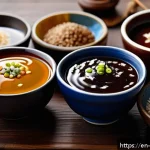
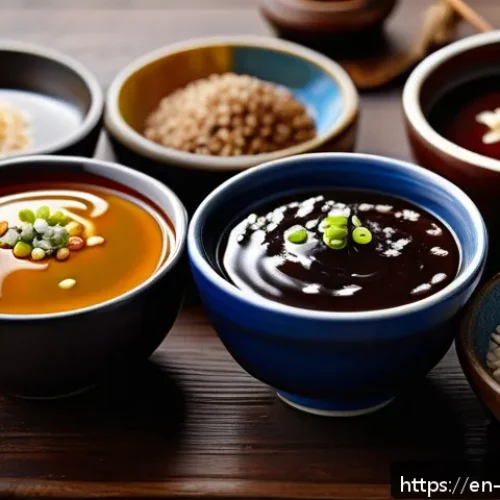
Soy sauce is a household staple, but Chinese cuisine employs a variety of sauces that each bring something unique to the table. Oyster sauce offers a rich, slightly sweet umami punch, while hoisin sauce provides a smoky sweetness ideal for glazing or dipping.
Black bean sauce introduces a fermented, savory depth perfect for robust stir-fries. I’ve found that experimenting with these sauces in different proportions can open a whole new world of flavor combinations.
Knowing when and how to use them is key to authentic taste.
Secrets Behind Perfect Texture and Freshness
Choosing the Right Cuts and Preparation Techniques
Texture plays a pivotal role in Chinese dishes, often as much as flavor. Tender pork belly, crispy duck skin, or crunchy water chestnuts add contrast and interest.
For example, thinly sliced pork shoulder cooks quickly and remains juicy, making it ideal for stir-fries, while tougher cuts benefit from slow braising.
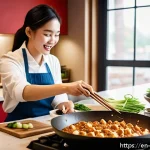
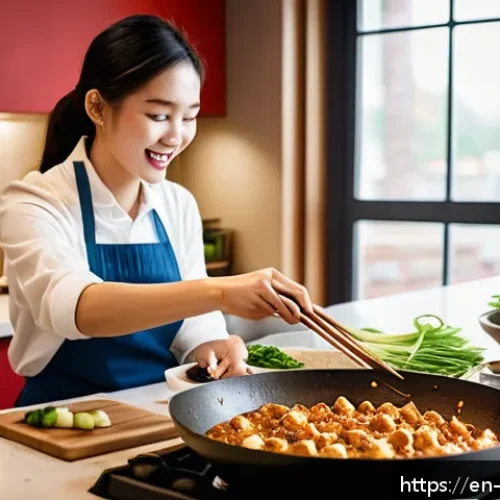
When I prepare dishes like Kung Pao chicken, I make sure to marinate the meat properly and use a quick, high-heat stir-fry method to lock in moisture and tenderness.
Understanding these nuances can elevate your cooking tremendously.
Freshness of Vegetables and Herbs
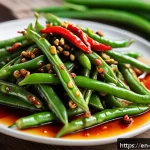
Fresh vegetables like bok choy, Chinese broccoli, and snow peas aren’t just colorful additions; they contribute crispness and vibrant flavor essential to many dishes.
Herbs such as cilantro and Chinese chives add brightness and a touch of pungency. I always recommend buying produce close to the cooking day and blanching greens briefly to retain their crunch and vivid color.
This freshness is what gives Chinese cuisine its lively character, balancing heavier or richer components beautifully.
Rice and Noodles: Staples with Versatility
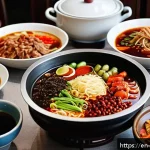
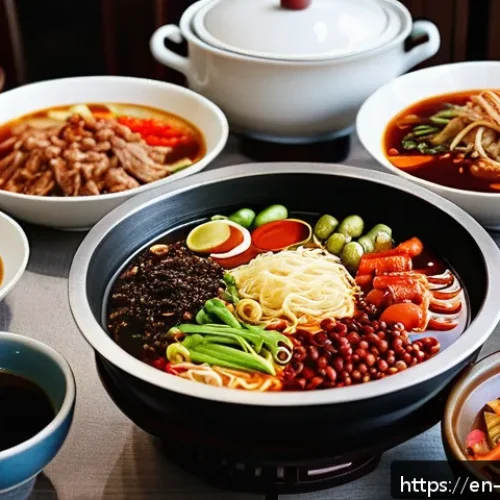
Rice and noodles are foundational in Chinese meals, serving as both a base and a vehicle for flavors. Jasmine rice, with its fragrant aroma, pairs perfectly with saucy dishes, while long rice noodles or hand-pulled wheat noodles bring different textures and tastes.
When I cook at home, I like to soak noodles before stir-frying to achieve the ideal chewiness. The right grain or noodle type can make or break the dish, so understanding their properties is essential for authentic results.
Unlocking the Power of Fermentation
Fermented Ingredients as Flavor Enhancers
Fermented products like soy paste, black bean sauce, and pickled vegetables contribute complex, savory notes that are hard to replicate with fresh ingredients alone.
These fermented flavors bring depth and umami that transform dishes from ordinary to extraordinary. Personally, I started incorporating fermented black beans into my cooking after trying a Sichuan recipe and was amazed at how it boosted the overall flavor profile.
Using these sparingly at first is wise, as they can easily overpower a dish.
Homemade vs. Store-Bought Fermented Condiments
While many fermented ingredients are readily available in stores, making your own can be rewarding and customize flavors to your liking. I’ve experimented with fermenting chili pastes and pickled mustard greens, which add freshness and a personal touch to meals.
Homemade versions tend to have a brighter, more vibrant taste, but they require patience and care. For beginners, starting with high-quality store-bought options is perfectly fine and still delivers authentic flavors.
Health Benefits and Culinary Uses
Beyond taste, fermented foods offer probiotic benefits that support gut health. Incorporating these ingredients regularly can be both delicious and nutritious.
In Chinese cuisine, they’re used in sauces, marinades, and as side dishes. For example, fermented tofu is often served as a condiment or mixed into congee for a savory kick.
From my experience, these ingredients not only enrich meals but also connect us to centuries-old culinary traditions.
Mastering the Use of Oils and Cooking Techniques
Choosing the Right Cooking Oil
Different oils bring distinct flavors and smoke points, which affect the cooking process and final taste. Peanut oil is a favorite in Chinese kitchens for its high smoke point and subtle nutty flavor, making it ideal for stir-frying.
Sesame oil, on the other hand, is usually added at the end for its intense aroma rather than cooking. I’ve found that combining oils or finishing dishes with a drizzle of toasted sesame oil dramatically enhances the aroma and complexity of flavors.
Techniques That Define Chinese Cuisine
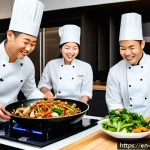
Stir-frying, steaming, braising, and deep-frying are fundamental techniques that bring out the best in ingredients. Stir-frying, with its quick, high heat, locks in freshness and texture, while braising tenderizes tougher cuts and infuses flavor over time.

Steaming preserves the natural sweetness of vegetables and delicate proteins. Over the years, practicing these techniques has helped me appreciate the precision and timing that Chinese cooking demands, and mastering them is essential for authentic results.
The Magic of Wok Hei
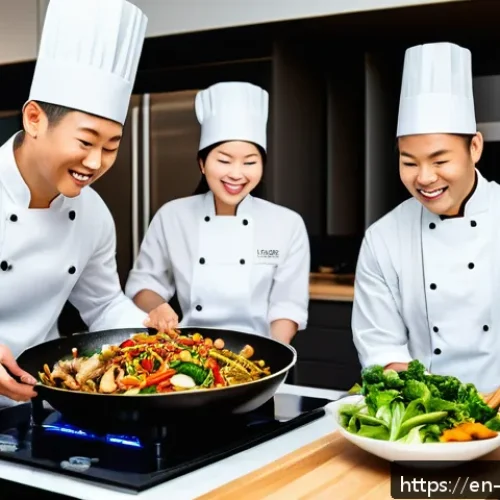
Wok hei, or the “breath of the wok,” is a prized quality in stir-fried dishes, characterized by a smoky, charred flavor that’s difficult to achieve without high heat and skillful tossing.
When cooking at home, achieving wok hei can be challenging without a professional stove, but preheating the wok properly and using high-quality ingredients makes a noticeable difference.
I still remember the first time I managed to get that perfect sear and aroma—it transformed my dish and boosted my confidence in the kitchen.
Sweet and Savory: Balancing Sauces and Sweeteners
Natural Sweeteners in Chinese Dishes
Chinese recipes often use natural sweeteners like rock sugar, honey, or maltose syrup to balance savory and sour elements. These sweeteners add a subtle depth without overpowering the dish.
For example, rock sugar in red-braised pork gives a glossy finish and smooth sweetness that complements the soy sauce’s saltiness. In my cooking, I’ve switched to using rock sugar over regular granulated sugar for a more authentic texture and flavor.
The Role of Vinegars
Chinese vinegars, especially black vinegar and Chinkiang vinegar, are essential for adding acidity and brightness. Unlike Western vinegar, these have a complex, mellow flavor with hints of sweetness and umami.
They’re used in dipping sauces, braises, and cold dishes. I’ve found that a splash of black vinegar can lift the flavor of a dish instantly, making it more vibrant and balanced.
Pairing vinegar with sugar and soy sauce creates that classic sweet-sour harmony Chinese cuisine is famous for.
Crafting Your Own Sauce Blends
Mixing sauces at home allows for creativity and tailoring flavors to your preference. Combining oyster sauce with soy sauce and a touch of sesame oil can create a quick stir-fry sauce that’s rich and satisfying.
Experimenting with ratios and adding fresh ingredients like garlic or chili can elevate simple dishes. I always keep a few essential sauces on hand and adjust them as needed, which saves time and ensures consistent flavor in my meals.
Essential Herbs and Spices That Bring Dishes to Life
The Impact of Fresh Herbs
Fresh herbs such as cilantro, Thai basil, and Chinese chives are frequently used to finish dishes, adding brightness and a hint of freshness. Their vibrant flavors contrast beautifully with richer, heavier ingredients.
I often sprinkle chopped cilantro over spicy Sichuan dishes to cut through the heat and add a fresh note. Using fresh herbs at the right moment can transform a dish from good to exceptional.
Spices That Define Regional Flavors
Chinese cuisine is incredibly diverse, with regional spice blends that give each area its signature taste. Sichuan peppercorns, for example, deliver a unique numbing heat that’s central to Sichuan dishes.
Star anise and cloves are common in Cantonese braises, adding warmth and complexity. I’ve explored various spice blends and found that understanding their role helps recreate authentic regional dishes at home with confidence.
Incorporating Dried and Ground Spices
Dried spices like cinnamon sticks, fennel seeds, and ground white pepper often appear in marinades and soups. These spices infuse the cooking liquid over time, building layers of aroma and flavor.
When making Chinese five-spice powder at home, combining star anise, cloves, cinnamon, Sichuan peppercorn, and fennel seeds results in a versatile blend I use frequently.
This powder works wonders in both meat and vegetable dishes, adding warmth and depth.
Key Ingredients Comparison and Uses
| Ingredient | Flavor Profile | Common Uses | Cooking Tips |
|---|---|---|---|
| Soy Sauce | Salty, umami | Marinades, stir-fries, dipping sauce | Use light soy sauce for seasoning, dark soy for color and richness |
| Oyster Sauce | Sweet, savory, umami | Stir-fries, glazes, braises | Add towards end of cooking to preserve flavor |
| Black Vinegar | Mellow, tangy, slightly sweet | Dipping sauces, braised dishes, cold salads | Use sparingly to brighten flavors |
| Star Anise | Warm, sweet, licorice-like | Braises, soups, five-spice powder | Use whole in slow cooking, remove before serving |
| Sesame Oil | Nutty, aromatic | Finishing oil, dressings, marinades | Add at end of cooking to retain aroma |
In Conclusion
Mastering the balance of flavors in Chinese cooking opens up a world of culinary possibilities. Each ingredient and technique contributes to the harmonious taste and texture that define this cuisine. With practice and attention to detail, you can recreate authentic dishes that delight the palate and bring a sense of tradition to your table. Remember, cooking is as much about feeling and intuition as it is about following recipes.
Useful Tips to Remember
1. Always taste as you cook to adjust the balance of sweet, sour, salty, bitter, and umami flavors for the perfect harmony.
2. Use fresh aromatics like garlic and ginger early in cooking to build layers of flavor that develop throughout the dish.
3. Experiment with different sauces and condiments to discover new and exciting flavor combinations unique to your palate.
4. Prioritize fresh vegetables and herbs, preparing them just before cooking to maintain their vibrant texture and taste.
5. Practice essential techniques such as stir-frying and braising to enhance both the texture and flavor of your dishes.
Key Takeaways
Understanding the interplay between ingredients and cooking methods is crucial to authentic Chinese cuisine. Focus on balancing the five basic tastes while layering aromatics and sauces thoughtfully. Freshness and texture are just as important as flavor, so choose your ingredients carefully and cook with intention. Finally, don’t shy away from using fermented products and experimenting with oils and spices to deepen your dishes. These principles will guide you toward consistently delicious and satisfying meals.
Frequently Asked Questions (FAQ) 📖
Q: What are the most essential ingredients in Chinese cooking that I should have in my pantry?
A: When starting out with Chinese cuisine, having a few key ingredients on hand makes all the difference. Soy sauce is a must-have for that deep umami flavor, while rice vinegar adds a subtle tanginess.
Sesame oil brings a fragrant richness, and ginger and garlic are foundational aromatics that build the base of many dishes. Don’t forget dried shiitake mushrooms or star anise if you want to add complexity to broths and sauces.
Personally, I always keep these staples ready—they’re the secret behind authentic flavors even when cooking at home.
Q: How can I use soy sauce and other spices to enhance the flavor without making the dish too salty?
A: Great question! Soy sauce is incredibly flavorful but can easily overpower a dish if used excessively. My tip is to start with a small amount, taste as you go, and balance it out with other ingredients like a splash of rice vinegar or a pinch of sugar to round off the saltiness.
Incorporating aromatics like garlic, ginger, and green onions also helps distribute the flavor evenly. When cooking stir-fries, adding soy sauce toward the end preserves its depth without making the dish too salty.
Experimenting with low-sodium soy sauce can also be a game-changer if you’re watching your salt intake.
Q: Are there any fresh vegetables or ingredients unique to Chinese cuisine that I should try cooking with?
A: Absolutely! Chinese cooking makes wonderful use of fresh, seasonal vegetables that might be less common in Western kitchens. Ingredients like bok choy, Chinese broccoli (gai lan), water chestnuts, and snow peas add vibrant textures and flavors.
I remember the first time I cooked with fresh bamboo shoots—it gave my stir-fry a delightful crunch I hadn’t experienced before. If you can find them, Chinese eggplants and lotus root are also fantastic additions that bring authenticity and variety to your meals.
Don’t hesitate to explore local Asian markets—they’re treasure troves for these unique ingredients.