Lately, spicy cuisine has taken the culinary world by storm, with more people craving bold and flavorful dishes at home. If you’ve been curious about diving into the vibrant world of Chinese street food, mastering authentic Malatang is a delicious place to start.

This fiery hot pot offers a perfect balance of spice and comfort, making it a favorite for gatherings or solo meals. Whether you’re a spice enthusiast or a kitchen experimenter, learning to create Malatang from scratch will elevate your cooking game.
Let’s explore how you can bring this addictive, customizable dish right to your own table.
Choosing the Right Ingredients for an Authentic Malatang Experience
Picking Your Broth Base
The soul of Malatang lies in its broth, and selecting the right base can make or break your dish. Traditionally, a spicy Sichuan-style broth is crafted using a blend of chili oil, Sichuan peppercorns, garlic, ginger, and fermented bean paste.
If you’re not keen on making it from scratch, high-quality pre-made hot pot bases are widely available and can save you tons of time without sacrificing flavor.
When I first experimented, I mixed store-bought chili oil with homemade stock, and the result was surprisingly close to authentic. Remember, the key is balancing heat with a deep umami richness—too much chili can overpower the delicate flavors of your ingredients.
Selecting Fresh and Flavorful Ingredients
Malatang is all about customization, so the ingredient list is extensive. Fresh vegetables like bok choy, spinach, and lotus root add refreshing textures, while various mushrooms bring earthiness.
Proteins like thinly sliced beef, tofu, fish balls, and shrimp keep the dish hearty and satisfying. I’ve found that using a mix of textures—crunchy, soft, chewy—makes every bite interesting.
One tip I swear by is soaking dried mushrooms or tofu skins beforehand to bring out their best flavors. And don’t forget noodles; glass noodles or wheat noodles soak up the spicy broth beautifully.
Essential Spices and Flavor Enhancers
Beyond the broth base, layering in spices is crucial to replicate that complex Malatang taste. Ground Sichuan peppercorns provide that signature numbing sensation, while star anise and cinnamon add subtle warmth.
I like to toss in some crushed fennel seeds for an unexpected aromatic twist. A splash of soy sauce or Chinese black vinegar adds acidity, balancing the heat with a tangy note.
Fresh herbs like cilantro and green onions at the end brighten the dish, giving it a fresh finish. Using fresh garlic and ginger, rather than powders, makes a noticeable difference in depth and authenticity.
Mastering the Art of Cooking Malatang at Home
Building the Broth Step-by-Step
Starting with a homemade broth might seem intimidating, but breaking it down into manageable steps helps. I usually begin by simmering chicken or pork bones with aromatics like ginger and garlic for several hours to create a rich stock.
Once the stock is ready, I strain it and add the spicy chili oil blend along with fermented bean paste and Sichuan peppercorns. Simmering this mixture gently allows the flavors to meld perfectly.
If you’re short on time, using a pre-made base and adding fresh aromatics can achieve a satisfying broth in under an hour.
Perfect Timing for Ingredient Cooking
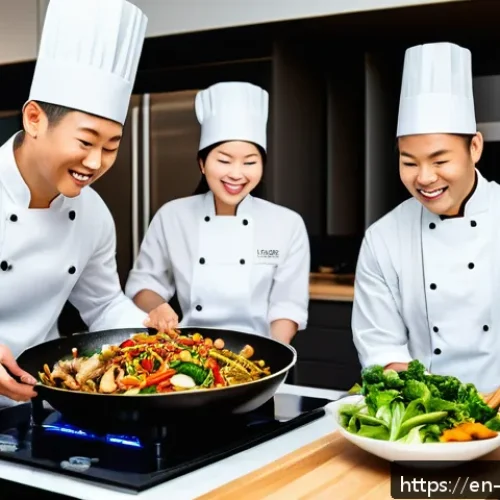
One of the trickiest parts is cooking ingredients just right so they soak up the broth without turning soggy. Vegetables like leafy greens only need a quick blanch—about 30 seconds to a minute—while heartier items like lotus root or potatoes require longer.
Proteins vary: thin slices of beef cook almost instantly, but denser fish balls or tofu take a bit more time. I usually add ingredients in batches based on their cooking times, which helps maintain texture and flavor integrity.
Patience is key here; rushing can ruin the balance of textures that make Malatang so enjoyable.
Serving and Enjoying Malatang Your Way
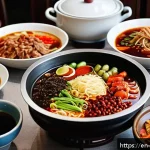
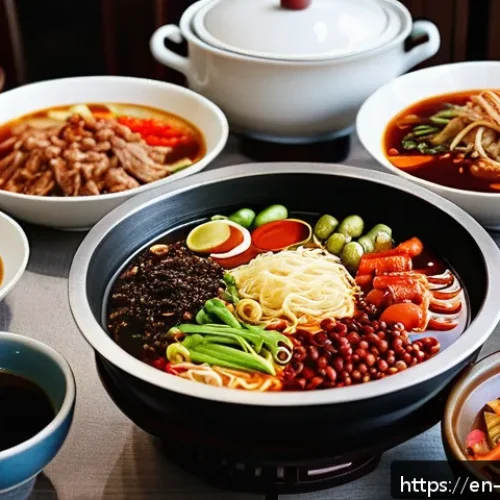
Malatang shines because it’s customizable, and how you serve it can elevate the experience. Traditionally, diners pick their preferred ingredients and cook them in the shared pot, but at home, serving it family-style in a large bowl works wonderfully.
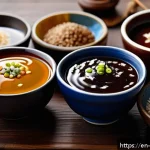
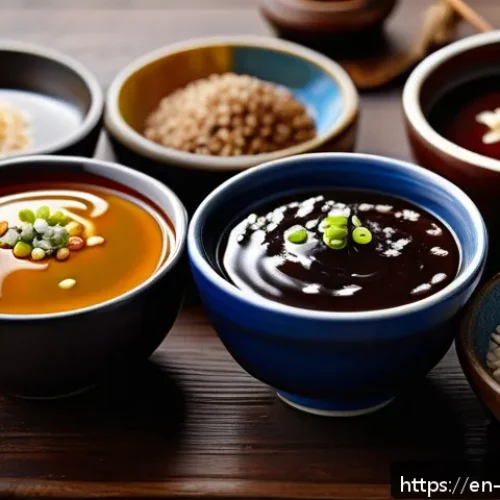
I like to prepare dipping sauces on the side—sesame paste, chili oil, soy sauce, and crushed peanuts are favorites. Adding a squeeze of lime or a sprinkle of fresh cilantro at the table adds a fresh contrast to the spicy broth.
Eating Malatang is not just about the food; it’s about the communal, interactive vibe that makes every meal memorable.
Balancing Heat and Flavor: Tips for Spicy Success
Understanding the Heat Levels
Spicy food lovers will appreciate that Malatang’s heat isn’t just about burning chili but a complex interplay of flavors. The Sichuan peppercorns bring that unique tingling numbness, which contrasts with the chili’s heat.
When I first tried making Malatang, I underestimated how important this balance was, ending up with a broth that was just fiery but lacked depth. Adjusting the amount of peppercorns and chili oil allows you to control the intensity, making it accessible for beginners and still exciting for seasoned spice fans.
Soothing the Heat Without Compromising Flavor
If you find your Malatang too spicy, don’t worry—there are ways to tame the fire without losing the essence. Adding a bit of sugar or a splash of coconut milk can mellow the heat while enriching the broth’s texture.
I’ve also found that serving the dish with plain rice or noodles helps absorb some of the spice, making it more manageable. A side of cooling cucumber salad or yogurt-based sauces complements the dish beautifully, providing relief between spicy bites.
Enhancing Flavor with Layered Ingredients
Adding complexity to your Malatang goes beyond just heat. Incorporating fermented ingredients like doubanjiang (fermented bean paste) or pickled vegetables introduces a tangy punch that contrasts nicely with the spicy broth.
I like to mix in roasted peanuts or crispy fried garlic for added texture and flavor bursts. Even a splash of Shaoxing wine during cooking can elevate the broth, bringing out deeper umami notes.
These layers of flavor keep the dish exciting and make each spoonful a new experience.
Tools and Techniques to Simplify Your Malatang Preparation
Essential Kitchen Equipment

Making Malatang at home is easier with the right tools. A sturdy hot pot or a deep, wide pot with a heat diffuser works best for even cooking. A slotted ladle or mesh strainer helps scoop out ingredients without too much broth loss.
I highly recommend investing in a good quality burner with adjustable heat control—it lets you simmer the broth gently or crank up the heat when needed.
Having separate bowls and chopsticks for each diner keeps things hygienic and organized, especially if you’re hosting a group.
Prep Strategies for Efficiency
One trick I use is prepping all ingredients in advance and arranging them on separate plates or trays. This mise en place approach speeds up the cooking process and avoids last-minute scrambling.
For veggies, washing and cutting them uniformly ensures they cook evenly. Proteins can be marinated briefly to add extra flavor before cooking. If you’re juggling a busy schedule, prepping broth in bulk and freezing portions means you can enjoy Malatang anytime with minimal effort.
Cleaning and Storage Tips
After indulging in a spicy feast, cleanup can feel daunting, but it doesn’t have to be. Using non-stick pots or lining the pot with parchment paper designed for hot pots can reduce scrubbing.
Leftover broth stores well in airtight containers in the fridge for up to three days or can be frozen for longer. I always strain out solids before storing to keep the broth clear and flavorful.
Keeping your utensils and pot dry and clean helps maintain their longevity, so a quick wash immediately after eating saves time and effort later.
Comparing Malatang with Other Spicy Hot Pot Variations
How Malatang Stands Out
Malatang differs from traditional hot pot mainly in its preparation and eating style. Unlike hot pot, where ingredients are cooked at the table in a communal pot, Malatang is usually prepared by the vendor beforehand and served in a single bowl with the spicy broth poured over.
This makes it perfect for quick meals and takeout. The intense, numbing spice profile and the wide variety of skewered ingredients also set it apart, offering a unique sensory experience that’s both fiery and comforting.
Similar Dishes and Their Unique Twists
Dishes like Sichuan hot pot and Chongqing hot pot share similarities but have subtle differences. Sichuan hot pot tends to have a more complex broth with additional herbs and spices, while Chongqing hot pot is known for its extra oily and spicy nature.
Other Asian spicy soups like Korean budae jjigae or Thai tom yum offer different flavor profiles, focusing more on sourness or fermented elements. Trying these alongside Malatang can give you a greater appreciation of regional spice cultures.
Choosing the Right Dish for Your Spice Craving
If you’re new to spicy cuisine, Malatang is an excellent starting point because of its customizable nature—you control the spice level and ingredients.
For those seeking a more social dining experience, traditional hot pot might be more suitable. If you love bold, layered flavors with tangy and sour notes, exploring Thai or Korean spicy soups could be rewarding.
Personally, I rotate between these dishes depending on my mood; Malatang is my go-to when I want something fast, fiery, and deeply satisfying.
Key Components of Malatang: Ingredients and Their Roles
| Ingredient | Role in Malatang | Recommended Preparation |
|---|---|---|
| Sichuan Peppercorns | Provides signature numbing spice | Roast lightly before grinding for deeper flavor |
| Chili Oil | Main source of heat and vibrant color | Use homemade or high-quality store-bought for best taste |
| Fermented Bean Paste (Doubanjiang) | Adds umami and depth | Incorporate early during broth simmering |
| Fresh Vegetables (Bok Choy, Lotus Root) | Balance spice with freshness and texture | Blanch briefly to retain crunch |
| Proteins (Beef, Tofu, Fish Balls) | Provides substance and variety | Slice thinly for quick cooking or soak dried items |
| Fresh Garlic and Ginger | Builds aromatic base | Mince finely and sauté in broth base |
| Herbs (Cilantro, Green Onion) | Brighten and freshen the final dish | Add just before serving |
In Conclusion
Creating an authentic Malatang at home is both rewarding and enjoyable, offering endless opportunities to tailor flavors and ingredients to your liking. With the right broth, fresh produce, and thoughtful seasoning, you can capture the essence of this spicy Sichuan favorite. Whether you prefer mild or fiery heat, mastering the balance will elevate your dining experience. Give it a try and savor the rich, numbing warmth of Malatang in the comfort of your own kitchen.
Useful Tips to Remember
1. Preparing your broth in advance saves time and deepens flavor, making each cooking session smoother.
2. Soak dried ingredients like mushrooms and tofu skins before cooking to unlock their full texture and taste.
3. Adjust spice levels gradually; Sichuan peppercorns and chili oil bring both heat and unique sensations that require balance.
4. Use fresh garlic, ginger, and herbs to brighten the broth and add authentic aromatic layers.
5. Serve with a variety of dipping sauces and cooling sides to create a well-rounded and satisfying meal.
Key Takeaways
Choosing quality ingredients and balancing spice are essential to an authentic Malatang experience. Timing your cooking carefully preserves textures and enhances flavor absorption. Investing in proper kitchen tools and prepping efficiently will simplify the process and improve results. Lastly, embracing the communal and customizable nature of Malatang makes the meal both interactive and memorable. These insights will help you enjoy this vibrant dish to the fullest every time.
Frequently Asked Questions (FAQ) 📖
Q: What ingredients are essential for making authentic Malatang at home?
A: To create a genuine Malatang experience, you’ll want a few key ingredients: a flavorful spicy broth base made with Sichuan peppercorns, dried chili peppers, garlic, and fermented bean paste.
Fresh vegetables like bok choy, mushrooms, and lotus root, along with various proteins such as thinly sliced beef, tofu, and fish balls, bring the dish to life.
Don’t forget noodles or vermicelli to soak up all that spicy goodness. I found that sourcing fresh Sichuan peppercorns really made a difference in getting that signature numbing heat.
Q: How spicy is Malatang, and can I adjust the heat level?
A: Malatang is known for its bold, fiery kick, but the great thing is you have full control over the spice level. When I first tried making it, I started with fewer chili peppers and gradually increased them to suit my tolerance.
You can dial back the heat by reducing the amount of dried chilies and Sichuan peppercorns or adding more broth to mellow the intensity. If you’re new to spicy foods, starting mild and building up is the way to go—this dish is super customizable to everyone’s taste.
Q: What’s the best way to enjoy Malatang—alone or with friends?
A: Malatang is incredibly versatile. It’s perfect for solo meals when you crave something warm and comforting, as you can tailor every ingredient to your liking.
But honestly, it shines brightest as a shared meal with friends or family. The communal aspect of picking your favorite ingredients and cooking them together makes it a fun, interactive dining experience.
From my own gatherings, I noticed it sparks great conversation and everyone loves experimenting with different combos, making it a lively and memorable meal.